The Craniofacial Center
Dayton Children’s Craniofacial Center provides coordinated care for kids with cleft lip, palate and facial differences.
expert craniofacial care for kids
From cleft lip and cleft palate to rare genetic disorders, our pediatric craniofacial experts treat every patient with exceptional care and compassion. From medical needs to counseling, we explain your child’s condition and answer all your questions while helping you understand your treatment options and make choices that are right for your family. Dayton Children’s not only provides craniofacial care for children in the United States but internationally, as well. We have the knowledge to work with global embassies to provide world-class care.
craniofacial surgery
The Craniofacial Center at Dayton Children’s offers several surgical treatment options by our highly skilled surgeons for patients with craniofacial differences. The goal of these procedures is to provide more space within the skull, midface and jaw areas. This allows not only functional but also aesthetic improvements. Our surgeons utilize both external and internal hardware to achieve a patient’s individualized surgical treatment plan. The course of treatment will vary with each unique patient in approach and length of treatment. Some of the procedures performed by our craniofacial surgeons include:
- Cleft lip and cleft palate surgery
- Cranial vault distraction
- Midface (LeFort) jaw surgery
- Internal mandible distraction
- Two-pin external mandible distraction
- Minimally invasive facial distraction (MIFD)
cleft lip and cleft palate program
Our cleft lip and cleft palate team provides comprehensive, multidisciplinary care for children with cleft lip and cleft palate. Some children with cleft lip, cleft palate or other craniofacial conditions have complex medical needs, while others do not. Our team will establish a personalized treatment plan for your child. Primary care physicians are also an important part of the team, and we keep in close contact with them, especially during a child’s first months of life. The primary care physician keeps us informed about concerns such as weight gain and feeding issues, and we provide treatment plan updates as well. Our clinic coordinator will make sure your child receives the services he or she needs in a well-coordinated way.
The Craniofacial Center care team
The Craniofacial Center at Dayton Children’s uses a multidisciplinary care approach that includes some of the world’s most experienced surgeons and specialists. The involvement of multiple specialties ensures individualized care for your child’s unique needs.
news and blogs
Stay up-to-date with the latest insights from Dayton Children’s Hospital. We’re always working to share helpful, real-world content for families navigating care at The Craniofacial Center.
patient stories
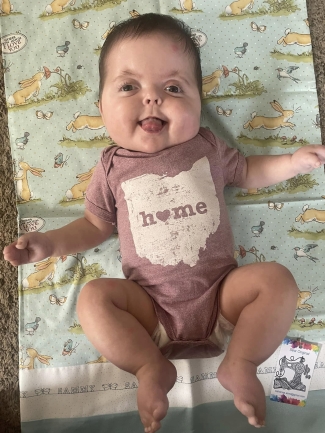
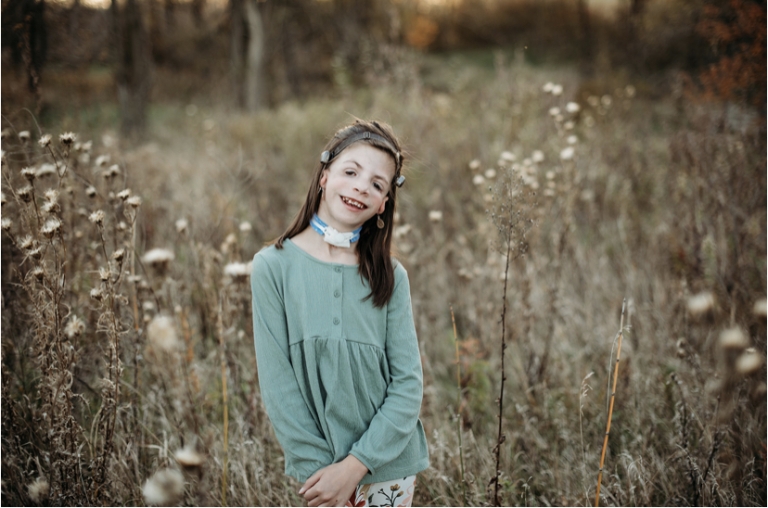
Real families, real results. These stories offer hope, guidance and reassurance that we are here for your child every step of the way. Explore below how Dayton Children’s craniofacial care has gone above and beyond for kids just like yours.
You can also find before and after photos of children who have received innovative and compassionate care from our team and see how they are thriving after surgery. View those photos here.
for your visit
Learn what to expect and how to prepare for your child’s visit to Dayton Children’s craniofacial center.
- Ask your child’s primary care provider to fax us records about your child’s overall health and growth. Our fax number is 937-641-3107.
- Provide any test results related to your child’s condition, including CT (computed tomography) scans and X-rays. Bring copies from your child’s doctor or ask the doctor to fax them. This avoids repeating tests.
- Check with your insurance company to ensure Dayton Children’s physicians are included.
- Check out our appointment checklist to help you prepare.
- Test results related to your child’s condition, if your primary care provider has not sent them already.
- Medicines or a list of them. Include non prescription items like vitamins. Include the name, dose and instructions.
- Forms you need to have signed by our providers. For example, any school forms or FMLA forms.
- Drink and snack options, diapers (if necessary), a favorite toy or distraction devices for your child in case the appointment lasts longer than expected.
- A list of questions you would like to ask our care team.
- At the first visit, a craniofacial pediatrician will examine your child. This initial visit will last two to three hours.
- The doctor will explain your child’s diagnosis and plan their overall care. If your child is old enough to understand, the doctor will make sure to talk to your child about what is going to happen next.
- A medical photographer will ask to take photos for your child’s medical record. This helps show how your child changes with time and after surgeries.
- You will visit with your craniofacial nurse to start learning about your child’s care. Our nurses also coordinate all appointments.
- You will meet with a social worker, who helps your family deal with the challenges of your child’s condition. The social worker connects you to support services and helps plan for a hospital stay.
- Your child may see other specialists during their visit, depending on their age and needs. We recommend meeting with dentistry, ENT, pulmonary, anesthesiology and the PICU staff before surgery to learn more about what you can expect.
- If your child has difficulty feeding, please let a team member know when you are planning to feed your child during your visit. We will ask our feeding specialist to come observe, which will help us identify what the problem is and how we can help.
- To confirm the diagnosis for some children, we may recommend testing their blood or saliva to look for changes in genes.
- During your visit, we try to answer all of your questions. Please ask if anything is not clear.
- We will also talk with you about applying for coverage through the State of Ohio’s Children with Medical Handicaps Program (BCMH). This program serves children with special health care needs by providing care coordination and supplementary insurance coverage
- Each provider who sees your child will record a clinical note that will be part of your child’s chart. We will send a copy to your primary care provider.
- We schedule your child’s appointments so they can see as many specialists in one day as possible.
- Most children have three appointments, but your child may have only one or multiple visits depending on the complexity of the case. Our goal is to provide personal, coordinated care from the specialists your child needs.
- You will have some waiting time throughout the day. You may want to bring a snack or visit our play spaces on our main campus.
- We will make sure you leave the appointment with detailed instructions about what will happen next.
- We will want to see your child regularly to see how he or she is responding to the treatment plan and recommend additional therapy or testing if needed. We will schedule follow-up appointments at the end of each visit. These appointments usually take between one and two hours.
- We offer telehealth/virtual visits for some follow-up care and consults.
You can reach our nurses between clinic visits at 937-641-3898.
Here are some tips to help your child feel more comfortable about their upcoming visit:
- Listen to your child and be honest about their care plan and what may hurt.
- Use short, simple terms your child knows. Do not go into too many details, as this can overwhelm most children.
- While our pain management staff will be at your side, reassure your child that if something hurts, there are ways to help ease the pain, including medicine, relaxation, listening to music and playing games. We offer a wide range of entertainment options and distraction devices.
- For younger children, try using one of your child’s toys, such as a doll or stuffed animals to show what will happen and encourage them to ask questions and talk about their feelings.
- If your child doesn’t want to talk about the hospital stay, stop and try again later. Do not force the subject.
- Encourage your child to bring toys or activities from home to play with during their appointments and hospital stay.
You will receive a patient and family binder with details about the care team, procedures and other details to help guide you through answering questions your child may have.
Get checklists, resources, and helpful tips for before, during, and after your visit to Dayton Children’s—so you know exactly what to expect.
resources – The Craniofacial Center
patient and family ambassadors
Learn firsthand experience from our patient and family ambassadors. To connect with a patient’s family, please call 937-641-4755.
overnight accommodations
Parents and legal guardians of hospitalized patients are encouraged to stay with their child during their stay at Dayton Children’s. Additionally, the Ronald McDonald House, located across the street from Dayton Children’s, offers families overnight accommodations as space allows. Those traveling the greatest distances and whose children are very sick are given priority.
travel resources
Angel Flight West
Arranges free, non-emergency air travel for children with serious medical conditions and other compelling needs. Aircraft, piloting, and all flying costs are donated to help families, so they can receive treatment they may not otherwise be able to receive. Learn more by calling 1-888-426-2643 or visiting www.angelflightwest.org.
Air Care Alliance
More than sixty groups have volunteer pilots who will fly patients for care or provide other flights or aviation services to help those in need or serve our communities. If you are seeking free air transportation or aviation services, you can send an inquiry to each appropriate organization in one easy step by providing Air Care Alliance the necessary information about your transportation needs. Learn more by visiting their website.
Children’s Craniofacial Association (CCA)
CCA has a financial assistance program that helps with food, travel and/or lodging. Please apply at least 4 to 6 weeks before your next appointment. Learn more by calling 1-800-535-3643 or by visiting their website.
FACES: The National Craniofacial Association
FACES provides financial support for non-medical expenses to patients traveling to a craniofacial center for treatment. Eligibility is based on financial and medical need. Learn more by calling 1-800-332-2373, visiting their website or emailing faces@faces-cranio.org
other resources
craniofacial resources
- American Association of Orthodontists
- American Dental Association
- Changing Faces
- Children’s Craniofacial Association
- FACES: The National Craniofacial Association
- Federation for Children with Special Needs
- Headlines: The Craniofacial Support Group
- New Mouth
- World Craniofacial Foundation
cleft lip and palate resources
craniosynostosis resources
hemangioma and vascular malformation resources
hours & locations – pediatric allergy and immunology
View our pediatric allergy and immunology locations below:
request an appointment
Request an appointment or second opinion with one of our expert craniofacial specialists to learn more about the best procedure for your child. We will contact you within 24 hours to schedule your appointment.