pediatric surgery
From common procedures to complex surgeries, Dayton Children’s pediatric surgery team provides expert, compassionate care for kids of all ages.
the Dayton Children’s difference in pediatric surgery
Dayton Children’s Hospital is an American College of Surgeons Verified Level I Children’s Surgery Center, delivering comprehensive surgical care for infants, children and teens in an environment designed just for them.
Our board-certified pediatric surgeons have specialized training and extensive experience caring for kids of all ages. Pediatric surgeons see surgical problems that are often quite different from those seen by adult or general surgeons, making that specialized training essential. In addition to caring for patients, our pediatric surgeons help shape the future of pediatric medicine by training surgical residents and medical students from the Wright State University Boonshoft School of Medicine and other institutions across the Midwest.
Our pediatric surgery team works hand in hand with pediatric anesthesiologists, nurses, and child life specialists to ensure every child receives the safest, most comfortable experience possible. As part of our Level I Pediatric Trauma Center, our surgeons are on call 24/7 to provide emergency and trauma surgery when it’s needed most.
a seamless experience for families
At Dayton Children’s, we know surgery can feel overwhelming — that’s why we focus on making every step as easy and reassuring as possible. Every detail of our surgical process is designed to reduce stress and promote comfort:
- Child-friendly spaces with games and distractions
- Extensive support and resources for your child’s surgery or procedure
- Sensory-friendly surgery options for children with autism or sensory needs
- Same-day surgery program for select procedures
- Minimally invasive surgeries for faster healing and shorter hospital stays
- Prenatal consultations to prepare if your newborn needs surgery
Our entire team—from surgeons and anesthesiologists to nurses and child life specialists—is here to support your child and family every step of the way.
what we treat and procedures we perform
Our pediatric surgeons care for children with a wide range of conditions, from routine to highly complex. Each surgery is tailored to your child’s size, needs and stage of development, using specialized pediatric equipment and the least invasive techniques possible.
Common conditions and procedures include:
- Appendicitis and other abdominal emergencies
- Hernia repair (inguinal, umbilical, epigastric)
- Gastrointestinal conditions and bowel obstructions
- Chest wall deformities such as pectus excavatum and pectus carinatum
- Tumors, cysts and soft tissue masses
- Complex wounds and burns
- Congenital anomalies requiring newborn surgery
When possible, our surgeons use minimally invasive and laparoscopic techniques, helping children heal faster with less pain and scarring, so they can return to school, play and everyday life sooner.

our pediatric surgeons
Our team of highly trained surgeons specialize in providing personalized and compassionate care during your child’s time with us. We understand that surgery can be scary for both your family and your child. While under our care, our pediatric surgeons make it a priority to keep you and your family informed on what to expect and any updates as surgery is in progress.
conditions we treat
Dayton Children’s experienced, board-certified pediatric surgeons perform a broad range of pediatric surgery procedures, from simple to complex. Below are some of the conditions that can require surgery:
pediatric surgery programs and clinics
The pediatric surgery team at Dayton Children’s has the experience and skill to treat patients with chest wall disorders, like pectus excavatum and pectus carinatum. With the establishment of the chest wall malformations center, we now have the ability to offer our chest wall patients the latest equipment, technology and pain management to treat their disorder.
Dayton Children’s congenital gastrointestinal surgery program combines the expertise of pediatric surgery and the division of gastroenterology and nutrition to provide a seamless continuum of care for babies born with complex gastrointestinal issues.
Specialists at Dayton Children’s work closely with physicians throughout our community to provide the best possible care for babies during pregnancy and in the early stages of life.
When problems are detected during pregnancy, advanced diagnostic testing, genetic counseling and advanced treatment during pregnancy and after birth are available to you. Many of our consults can be a virtual visit.
In some cases, a routine prenatal ultrasound reveals problems that may require surgery soon after birth. Newborns who need surgery are transferred from the birthing hospital to Dayton Children’s soon after delivery. Our specially trained pediatric surgeons use the most advanced surgical equipment to perform complex procedures. They are on call 24 hours a day, seven days a week to provide surgical care.
The pediatric surgery department at Dayton Children’s offers a program to address the needs of patients with epigastric, inguinal and umbilical hernias as well as circumcision and frenulectomy. The program allows families the ability to schedule a surgical consult and surgical hernia repair on the same day!
Program benefits:
- Minimizes time away from school and work
- Surgery is performed on a Friday; most kids recover over the weekend and return to school the following Monday
- Reduced office visits including post-op visits. Families have the option to receive a phone call or make an appointment
At Dayton Children’s, we understand that surgery can be overwhelming – especially for children with autism or high anxiety. That’s why we’ve created a one-of-a-kind sensory-friendly experience. Developed through a partnership between anesthesiology and our child life team, the experience transforms the surgical journey into one of comfort, calm and care. From personalized coping plans to soothing sensory rooms, our team is dedicated to making every child feel safe and supported. Discover how our innovative approach is changing the way kids experience surgery.
The vascular anomalies clinic at Dayton Children’s Hospital is composed of specialists from hematology/oncology, ENT, plastic surgery, pediatric surgery and interventional radiology.
Our comprehensive team has expertise in the diagnosis, management and treatment of vascular anomalies, including hemangiomas and vascular tumors.
Specialists at Dayton Children’s work closely with physicians throughout our community to provide the best possible care for babies during pregnancy and in the early stages of life.
When problems are detected during pregnancy, advanced diagnostic testing, genetic counseling and advanced treatment during pregnancy and after birth are available to you. Many of our consults can be a virtual visit.
In some cases, a routine prenatal ultrasound reveals problems that may require surgery soon after birth. Newborns who need surgery are transferred from the birthing hospital to Dayton Children’s soon after delivery. Our specially trained pediatric surgeons use the most advanced surgical equipment to perform complex procedures. They are on call 24 hours a day, seven days a week to provide surgical care.
Dayton Children’s neurology department is accredited by the National Association of Epilepsy Centers (NAEC) as a level 4 epilepsy center – the highest level of epilepsy care. Whether your child has encountered their first seizure or has been diagnosed with epilepsy, Dayton Children’s Epilepsy Center provides a comprehensive approach to help your family understand the treatment options and what might work best for your child. When surgery is part of the treatment plan, our neurosurgery team works hand in hand with neurology to ensure the safest and most effective care.
Dayton-area families receive world-class care for a child with cancer right here at Dayton Children’s. We are a member of the Children’s Oncology Group, which ensures your child receives access to the same best protocols and clinical trials that they would have at other leading children’s hospitals.
Experienced pediatric hematologists/oncologists lead our multidisciplinary team, which includes nurses, a nurse practitioner, a child life specialist and a social worker. If surgery is part of the treatment plan, the needed team such as neurosurgery, pediatric surgery and more, will work hand in hand with hematology oncology to ensure the safest and most effective care.The team goes above and beyond every day to make sure that kids receive great care that is personalized to their unique needs.
pediatric surgery news and blogs
Stay informed with seasonal health tips, treatment updates and advice on conditions treated by our pediatric surgery team.




pediatric surgery patient stories
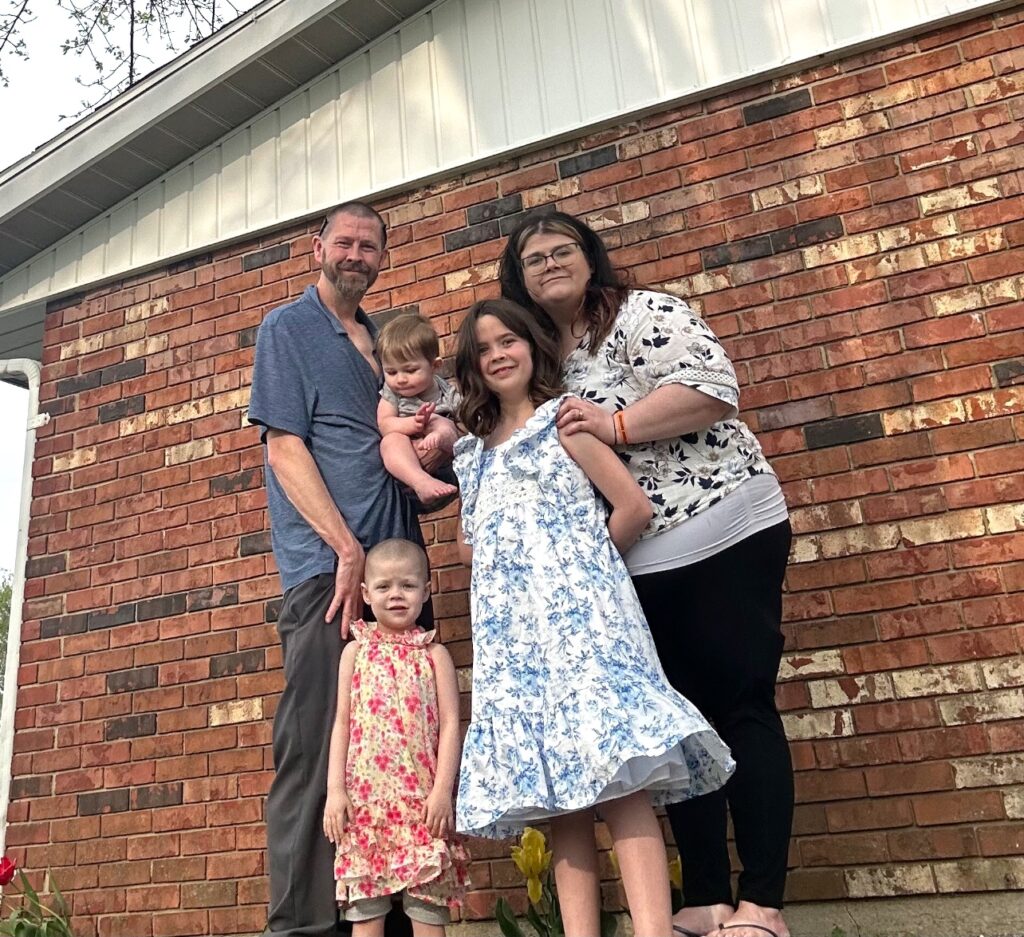
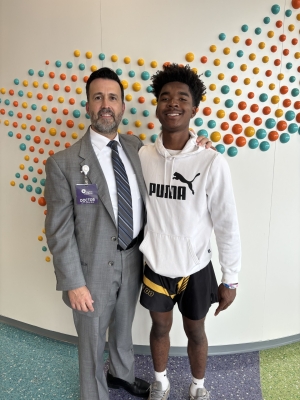
It is stressful to be diagnosed with a new condition. Hearing from other families and having a trusted care team with you for the journey can make a big difference. Our patient stories highlight real experiences from parents and kids who’ve needed surgery. See how they navigated care and found answers, in part thanks to our compassionate care team.






for your visit
Pediatric surgery clinics are located on the hospital’s main and south campus and provide pre-surgery consultations and post-operative care. A typical visit to the surgery clinic involves a physical exam, conversation about any test results and medication needs, and time to answer questions and talk about the potential need for surgery.
Depending on their symptoms and diagnosis, some patients may be seen by a pediatric surgeon, others by a certified nurse practitioner, who is specially trained to care for patients with common conditions that require surgery.
When you and your child arrive for any visit, please wear comfortable and loose clothing and bring the following:
- Your insurance information
- Your driver’s license
- Any required forms from your school, state or outside agency
For a pre-operation visit, your child will have a physical examination. If labs or imaging are indicated, they will be ordered. If your child requires surgery, it will be scheduled at a time that is acceptable to both the family and the surgeon. If surgery is scheduled, the surgeon will discuss the procedure, pain control, and activity limitations as appropriate.
For a post-operation visit, the appointment will focus on your child’s wellbeing following their procedure and may include an evaluation of incisions. You will need to make this appointment by calling 937-461-5020 on the day of your child’s discharge.
When your child needs surgery, or even a small procedure, we know it can be a stressful and uncertain time. That’s why we have outlined all you need to know. Find helpful tips, learn what to eat and drink, and more when preparing for your child’s surgery or procedure, plus what to expect during and afterwards.
Get checklists, resources, and helpful tips for before, during, and after your visit to Dayton Children’s—so you know exactly what to expect.
preparing for surgery
When your child needs surgery, or even a small procedure, we know it can be a stressful and uncertain time. That’s why we have outlined all you need to know. Find helpful tips, learn what to eat and drink, and more when preparing for your child’s surgery or procedure, plus what to expect during and afterwards.
before surgery
We are here to answer your questions and support your family before, during and after your child’s surgery!
- Leading up to your child’s surgery, call 937-641-4269
- Day before the surgery or on the day of the surgery, call 937-641-4269
- Pre-registration (insurance check), call 937-641-4000
- Patient accounts (questions about your co-payment), call 937-641-5101
For questions specific to your child’s surgery, call 937-641-3000 to connect with your child’s clinic or surgeon
We know that you have a lot on your mind as you prepare yourself and your child for their surgery. We’re here to help! This checklist below is a tool to help track your progress in the surgery pathway. When everything is checked off, you will know you’re ready for your surgery.
2 weeks out from surgery
- I have given Dayton Children’s my current phone number and email.
- I have scheduled my child’s pre-surgical exam (Please check with your child’s clinic to see if this is a requirement for surgery).
- I have my child’s medications and any documents for guardianship if needed.
- I have let the office/hospital know that I need an interpreter.
1 week out from surgery
- I have transportation to and from my child’s surgery.
- I have arranged child care for my other children.
- I have completed my child’s history call with Dayton Children’s pre-surgery nurse. If my child has had an emergency room visit for illness within the last month, I let them know.
3 days before surgery
- I have bought any over-the-counter medications I may need after my child’s surgery (example: Tylenol and Motrin).
- I have shopped for any food and comfort items my child may need before or after the surgery.
- I have spoken to my child about their surgery using these tips for preschool to early elementary-age kids, or these tips for late elementary and older kids.
- My child is free of rashes, diarrhea, vomiting, fever, cough or congestion. If my child has these symptoms, I’ve called the surgery team at 937-641-4269 to let them know.
1 day before surgery
- I know what time my child should stop eating/drinking/nursing for the surgery.
- My child has taken a bath/shower.
- I have helped my child remove any make-up, nail polish, jewelry and piercings.
- If my child wears contacts, they have been removed. I am bringing glasses (if my child has them), or a contact lens holder.
- I have had a second call with Dayton Children’s pre-surgery nurse. If my child developed any symptoms (rash, diarrhea, vomiting, fever, cough or congestion), I let them know.
- I know what time to arrive at the surgery center.
- I know where I’m going for my child’s surgery and how to get there. Get directions to our surgery centers here.
- My child has selected comfort items they want to bring to the hospital and I have washed them
- If you have not received a call from the pre-surgery nurse and it’s after 4:00 pm the day before the surgery, please call 937-641-4269.
morning of surgery
- If directed to do so, I have given my child their morning medications with sips of water only.
- I have all our personal items that I packed the day before (example: comfort items, glasses).
- I have my child’s car seat or booster seat to get them home safely (if applicable).
- I have the completed form from my pre-surgery visit (if applicable).
Before the procedure is done, we will ask you to sign a surgical consent form. Specific people can sign this form. Those people are outlined below.
- Biological parent: The biological parents are the child’s natural mother and father. Biological parents who have guardianship of their child may sign all paperwork on the child’s behalf.
- Adoptive parent: The adoptive parent is the parent who has been granted adoption of the child by court order. A copy of the court’s approval of adoption must be provided to Dayton Children’s for the adoptive parents to be able to sign consent forms.
- Foster parent: The foster parent may or may not be able to sign paperwork for the child. This depends upon the state and county in which the child lives. Please contact your case worker to clarify if the proper documentation is available. We will require proper paperwork from the county in which the child lives. Please bring the name and phone number of the social worker handling the case if questions arise.
- Legal guardian: In Ohio, guardians are appointed by the probate courts, and are entitled to make medical decisions in the best interest of the child. The probate court issues an order appointing the applicant as the guardian. A copy of this order must be provided to Dayton Children’s for the appointed guardian to be able to sign consent forms.
If you are an adult patient, 18 years of age or older, who has the ability to make informed decisions, you are legally responsible for decisions related to your health care, and will sign consent forms. However, you will not be able to drive yourself home after surgery and must be accompanied by another adult.
Some clinics may require a pre-surgery visit with your child’s pediatrician within 30 days of the scheduled surgery or procedure. Please check with your clinic to see if this is a requirement for surgery. Learn more about what to expect for your visit here.
It’s best if your child is healthy before going into their surgery. Let us know if you have any concerns about your child not feeling well before their surgery. Call the surgery center at 937-641-4269 if:
- Your child has a rash, diarrhea, vomiting, fever, cough or congestion within three days of their surgery date OR
- They have gone to the emergency department for an illness within a month of their surgery date
It can be hard to know what to say and how to talk to your child about their surgery. Use these tips for preschool to early elementary-age kids, or these tips for late elementary and older kids.
For your child’s safety, it is very important to follow the instructions for eating and drinking before their surgery. If these important safety guidelines are not followed, your child’s surgery may be delayed or cancelled.
The pre-surgery nurse will tell you when your child needs to stop eating solid foods, when they will stop drinking milk or breastmilk (if relevant), when they can only have clear liquids, and when they need to stop eating or drinking everything.
If your child has food or drink in their stomach during surgery it can cause very serious problems. Even a small amount of food in your child’s stomach could be harmful.
Your child should shower or bathe the night before their surgery and/or the day of their surgery. You may also be asked to use a special soap that you can get from your local pharmacy. This soap may be given to you by the doctor. If not, an antibacterial soap like Dial is great at killing germs. It is important to keep soap below the neck, avoiding the eyes and ears.
On the day of your child’s surgery, make sure they are wearing clean clothes or pajamas. Be sure to also wash any comfort items that you’re bringing with you.
Between 7-10 days before the surgery, you will receive a call from a registration staff member to make sure we have your insurance information right.
You will also have 1 or 2 phone calls with your pre-surgery nurse before your child’s surgery. Please let us know if your child has trouble with sensory processing or anxiety. We have unique pre-operative sensory rooms designed specifically for these children.
Between 10-14 days before your child’s surgery, the nurse will go over your child’s:
- Health history
- Medications
- Surgical history
- Family history
Up to 1 business day before your child’s surgery, the nurse will call to go over:
- The time that you need to arrive to the surgery center
- Make sure that you know whether you’re going to the main campus in Dayton, or the south campus in Springboro
- The time that your child needs to stop eating/drinking/nursing
- Other information to prepare for the surgery
- Any questions you have
- If you haven’t heard from the nurse by 4:00 pm the day before your child’s surgery, please call 937-641-4269.
If no one answers, please leave a voicemail with your name and your child’s name.
There are some things you can do before your child’s surgery to make everything go smoothly for you and the whole family!
Plan ahead:
- Please arrange for someone to watch your other children and pets so you can focus on your child’s care that day.
- If needed, arrange for transportation to and from the surgery center. Make sure you have a car seat or booster seat for your child, if needed based on car seat safety guidelines.
Stock your fridge with:
- Clear liquids (water, Gatorade (NO RED), apple juice and Pedialyte)
- Your child’s favorite foods to support them when it’s time to start eating again
Get organized:
- Write down your child’s current medication, dose, and how often the child takes the medications. You can also take a picture of the bottles with that information. Or, you can bring the bottles with you.
- Gather and wash any items that your child will bring with them for comfort, such as stuffed animals and blankets. Please note: Service animals are allowed, but other pets are not allowed as comfort items.
- Help your child pick loose-fitting, comfortable clothing to wear on the surgery day.
- If breastfeeding, please bring your own breast pump and supplies.
- Make sure you have your health insurance card with you the day of surgery.
- If you plan to spend the night, pack a bag ahead of time.
Plan for comfort after the surgery:
- Buy Tylenol and/or Motrin. Most kids take both after surgery. Our retail pharmacies at our main and south campuses also have Tylenol and Motrin. If you forget to buy some before your child’s surgery, you can buy it here.
- Have ice or heat pads ready, as directed by your care team.
day of surgery
- Find parking and the surgery registration area.
- Main campus: Park in the free parking garage and come in the main entrance. Your first stop will be the welcome center in the main lobby. They will guide you to the surgery center on the second floor.
- South campus: Park in the center of the lot. Go in the entrance on the right side of the building, then take the elevator or stairs to the second floor surgery registration area.
- Check in at the surgery registration desk. You and your child will get an ID bracelet. This is for your child’s safety, so please leave it on and make sure your child leaves it on. Make sure the information is correct, too.
- After you’re checked in, you and your child will be taken to your room to prepare your child for their surgery.
- No food or drink is allowed in the pre- or post-op surgical area. If you have other children with you, an adult needs to wait with them in the waiting area. Only two adults are allowed in this room, so any other family members will also need to wait in the waiting area.
- You will meet with your child’s care team, including a nurse, the anesthesiologist (doctor who gives the medicine to make your child sleepy) and surgeon (doctor who will do the surgery).
- The surgeon and anesthesiologist will talk to you about the surgery and answer any questions you have.
- You will be able to stay with your child until they go to the operating room.
Please leave us your cell phone number so that we can call you when your child is waking up. You can also track your child’s progress during surgery by looking at the TV monitors in the waiting area. If you leave the waiting area, please let us know.
after surgery
After surgery, we will take your child to the recovery area to wake up. Each child and surgery are different, so the length of time spent in the recovery area varies. In the recovery area:
- Only two visitors are permitted in the recovery room and must be accompanied by a staff member.
- No food or drink is allowed for safety and cleanliness.
- It may be loud at times due to how some children wake up from anesthesia.
While in recovery, a nurse will closely monitor your child. If your child is in pain, we will give them medicine as needed to ensure it’s at a manageable level before they are discharged. Once they are awake enough and feeling ready to drink, your child may start with some ice chips or clear liquids.
Other typical side effects include:
- Being tired or drowsy
- Irritable or dizzy
- Upset stomach
- Muscle aches and pains
- Sore throat (if a tube was used to help with breathing)
These may last for a day or two. Please tell your nurse if you notice any other side effects.
Before discharge, we’ll review your child’s diet, activity level and follow-up appointments.
Your child will need plenty of rest after their surgery. Do your best to keep things simple. Create a quiet and restful environment for your child to recover. After surgery, your child needs to have an adult with them to make sure they have a safe recovery. Here are some more tips for helping your child recover:
- Encourage your child to rest and take naps.
- Offer quiet, restful activities like reading together or watching movies.
- Make favorite foods to help your child start eating again.
- Don’t overwhelm your child with guests.
One business day after your child’s surgery, a nurse will call you to see how your child is doing. If you have any concerns before then, call 937-641-4269.
You should schedule a follow-up appointment so that your doctor can check on your child’s recovery.
- Your child may feel pain while healing. To speed healing, it’s important to manage the pain. Follow the doctor’s orders for giving pain medicine.
- Important reminder: If the pain medication you have been prescribed contains Tylenol (acetaminophen), do not take additional doses of Tylenol (acetaminophen).
- Your child may feel sick to their stomach. If your child feels sick to their stomach or throws up, offer foods that are easier on the stomach such as apple juice, flat soda, Jell-O, popsicles, Gatorade and clear soups. It is important that your child drinks plenty of fluids.
- A slight fever is normal. Many children develop a slight fever after surgery. This should go away within a day or so. Drinking plenty of fluids can help lower a fever.
If you have concerns about your child’s health, call the doctor right away. Do not wait until your child’s next appointment. You should also call right away if your child is experiencing the following:
- When your child shows signs of infection. Signs of infection include fever, growing tenderness at the surgery site, severe pain, a large amount of drainage or bleeding, foul-smelling drainage, redness or swelling.
- Your child’s fever is over 100.4° F (taken under the tongue for pre-school age or older, rectal or in the ear for younger children) or lasts longer than 24 hours.
- It has been over 8 to 10 hours since the surgery and your child is still not able to urinate (pee) or is complaining about not being able to do so.
- Co-payments will be collected at the time of surgery and can be paid with cash, personal check or major credit card. We can give you an estimate, but your insurance company can tell you how much your co-pay will be.
- You may receive three bills. One from the surgeon, one from Dayton Children’s and one from Children’s Oncology Group, Inc. (provides anesthesia services). Learn more about billing and payments here.
- Bring your health insurance card on the day of surgery.
after surgery care
Our team provides education to help you prepare for your child’s post-surgery needs, and in many cases will schedule your child’s follow-up clinic appointment before you leave the hospital.
After patients return home, our team continues to provide support and care. Talk to your doctor about any care you will need to provide when you take your child home. This may include changes in medicines, treatment, the need for special home care equipment or follow-up appointments. Your care providers will give you special instructions to follow once you and your child arrive home. Discharge planners are available to help coordinate your home-care needs.
If you have questions or need assistance, please call 937-641-3000 and ask for the surgery department. You can also refer to the number on your after-visit instructions, either in MyKidsChart or printed for you. Please let your doctor know about any changes in your child’s health after their stay.
Call us with any questions or concerns you may have for your child’s wellbeing, particularly if your child shows any of these symptoms below.
- Has a fever over 101˚ F or that lasts longer than 24 hours
- Has signs of infection (swelling, redness, foul smell, drainage)
- Has not urinated or has no wet diapers for 8-10 hours after the procedure, or is complaining that they’re not able to do so
- Has excessive pain, nausea or vomiting
- Cannot be easily woken up
Your child will need plenty of rest after their procedure. Do your best to keep things simple. Create a quiet and restful environment by:
- Encouraging your child to rest and take naps
- Offering quiet, restful activities like reading or watching movies
- Not overwhelming your child with guests
- Limiting activities like driving, biking and sports
Anesthesia and pain medications can make your child feel off balance and wobbly on their feet. For the first 24 hours after surgery and while your child is on prescribed pain medications, be extra careful to make sure your child doesn’t fall by:
- Supporting them when they walk or crawl
- Watching them around sharp corners or objects
- Helping them go up or down stairs
Some kids may feel sick to their stomach after surgery. Start with ice chips, apple juice or Gatorade®. Then, if your child feels okay, they can eat plain foods like crackers and soup. When they are comfortable with those, they can go back to eating their regular diet.
Every child feels pain and shows that they’re feeling pain differently. Your child will point to a pain scale so we know how much pain she or he feels. We may not be able to completely get rid of pain, but we can help make your child as comfortable as possible. You can track your child’s pain using this tracking sheet.
At home, you can help with their pain by:
- Changing your child’s position
- Encouraging rest
- Distracting your child with toys, music, movies, pacifiers, rocking and holding
- Giving pain medicine as your doctor orders
If your doctor prescribes medicine, you can give that medicine as it’s ordered. You can pick up medicine at our pharmacy or the pharmacy of your choice.
Your child may not be quite themselves after surgery. They may not sleep well, may be more moody or have new fears. These feelings usually pass in a couple weeks. Be patient and give them some time. Try to keep a normal routine to help them start to feel like themselves again.
All necessary prescriptions will be provided before you leave the hospital. Please ask about Dayton Children’s outpatient pharmacy options. You can track the medicines your child is taking by using this tracking sheet.
Note the following suggestions for safe medication use:
- Reread the label when giving each dose.
- Ask your pharmacist to:
- Explain your child’s medicine label.
- Suggest the best measuring device for liquids and powders.
- Look over medicine side effects.
- Double-check a refill prescription if it does not look the same as a previous prescription.
- Explain how you will know if the medication is working.
- Review foods to eat or not eat while taking the medicine.
- Make sure the child-lock caps on all medicines are in place.
- Fill prescriptions at the same pharmacy so the pharmacist gets to know your child’s medicine history.
- Keep the medicine in the container it came in.
- Give the medicine to your child exactly as told by your doctor or pharmacist.
- If your child is not getting better or you have questions about any medicines, call the doctor.
- Your child’s nurse about a home care agency or other support needed at home if your child needs special equipment to be cared for at home.
- Other family members and friends if you need help getting your child home and into the house. You may also want to see if someone can help you care for your child at home.
- Your child’s school teacher and school nurse to see what they need before your child can return to school.
Patient accounts can be reached by calling 937-641-3555 if you have questions about the billing and payments process.
pediatric surgery hours and locations
Our pediatric surgery team is here to support your child’s health at multiple convenient locations.
expert surgical care, close to home
When your child needs surgery, trust the team that cares for kids every day. We’re here with expert care and guidance, close to home when it matters most. Schedule an appointment online or by calling 937-641-4000.