pediatric pulmonary medicine
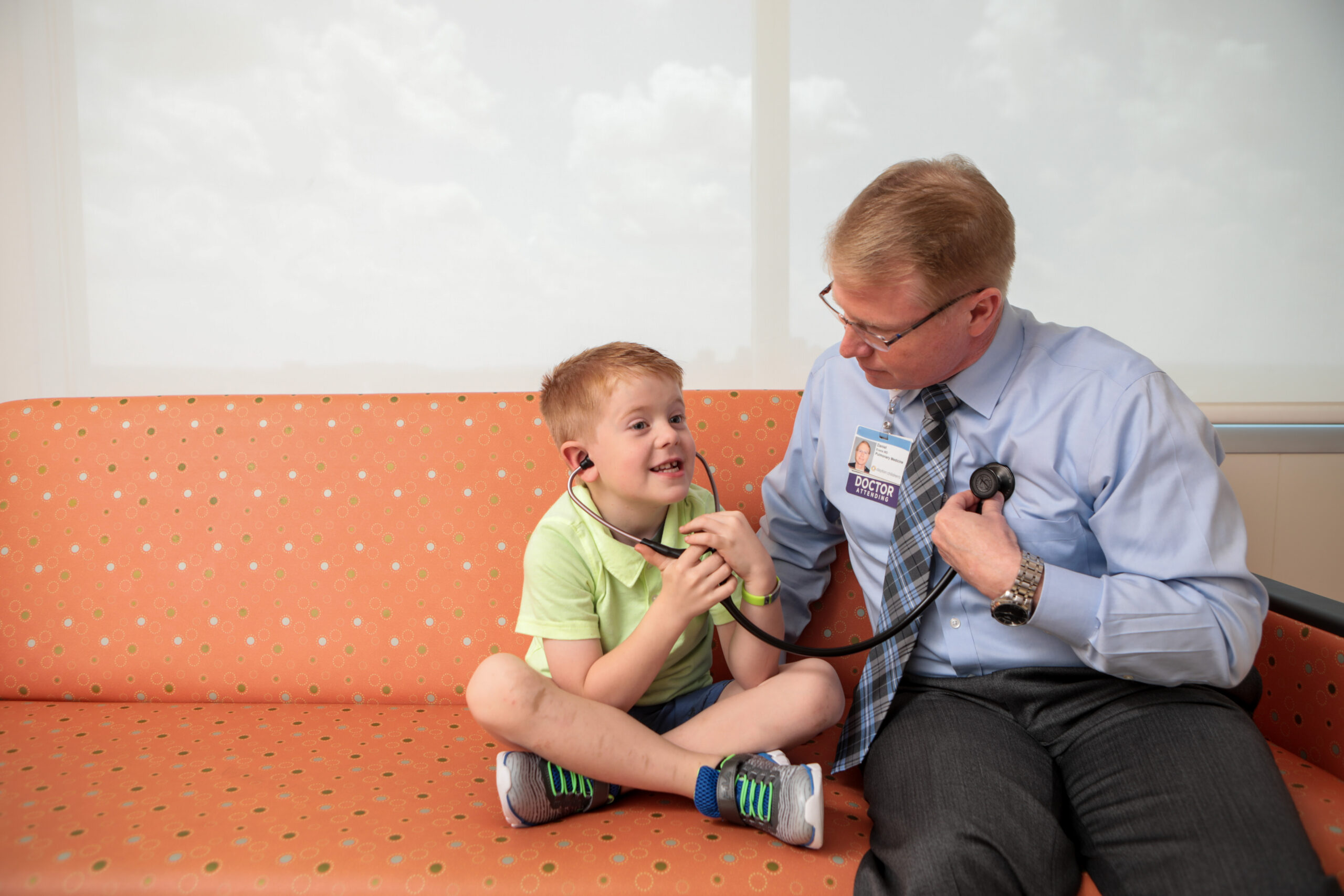
From asthma to complex lung conditions, our pediatric pulmonology team helps children breathe easier with expert care and personalized support.

what is pediatric pulmonary medicine?
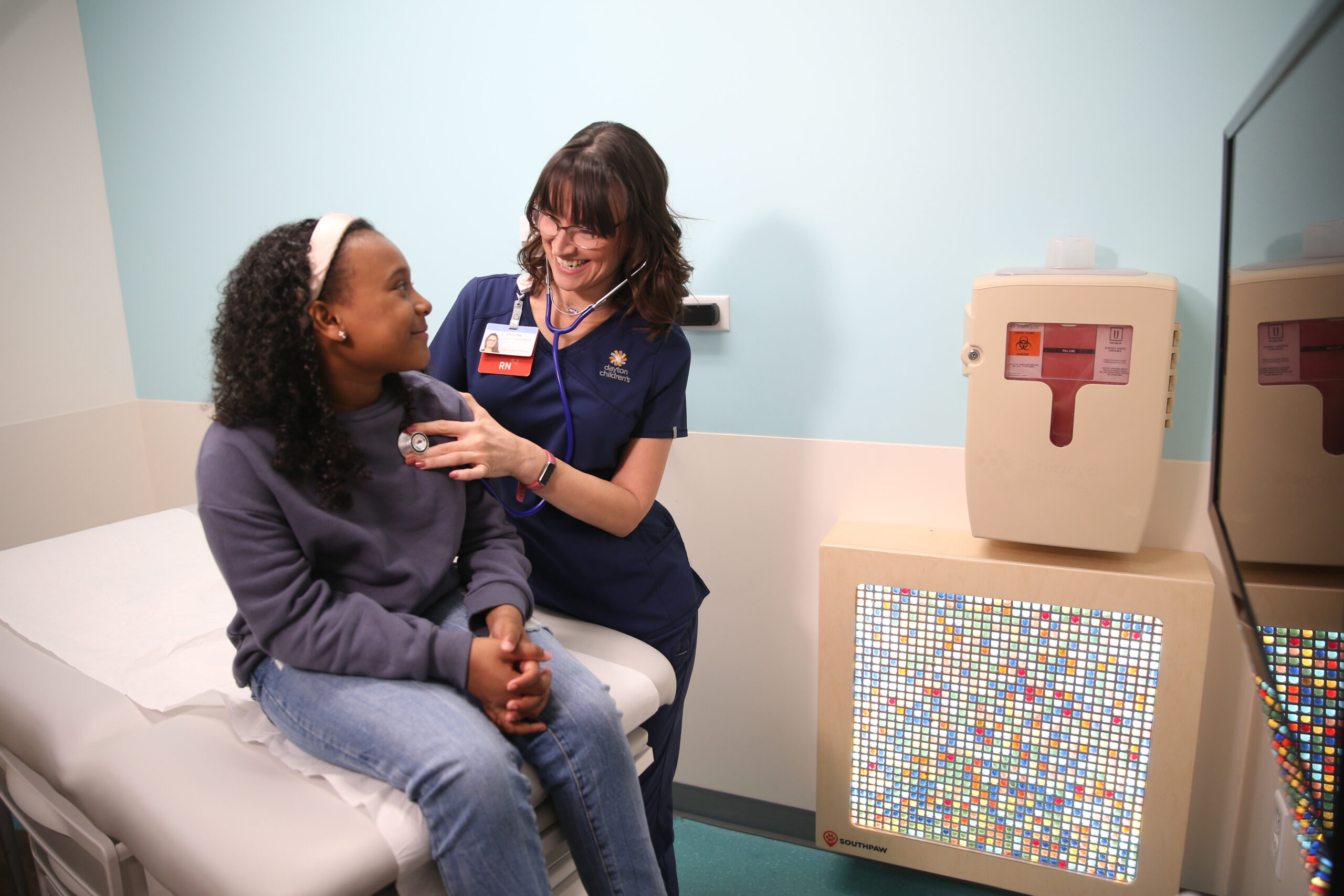
Pediatric pulmonary medicine at Dayton Children’s focuses on diagnosing and treating breathing and lung-related conditions in infants, children, and teens. At Dayton Children’s, our board-certified, fellowship-trained pediatric pulmonologists care for a wide range of respiratory concerns—from asthma and chronic cough to complex conditions like cystic fibrosis. With support from a full team of nurses, respiratory therapists, and other pediatric specialists, we build personalized care plans that help each child breathe better and live more comfortably.
why choose pediatric pulmonary care at Dayton Children’s?
When your child is facing a breathing or lung condition, you want care that’s not only expert—but also consistent, compassionate, and personalized. At Dayton Children’s, our pediatric pulmonary clinic offers just that. Patients typically see the same pulmonologist, nurses, and respiratory therapists at every clinic visit, building trusting relationships that make a difference—especially for children managing lifelong conditions like asthma or cystic fibrosis.
Our care team includes board-certified pediatric pulmonologists, respiratory therapists, nurses, a social worker, and a registered dietitian—plus access to a speech-language pathologist when needed. Every member of the team is specially trained to work with kids and understands how breathing issues affect the whole family. Whether it’s answering questions, adjusting treatment plans, or simply offering support, we’re here to help your child breathe easier and live more fully
pulmonary and metabolic testing
Getting answers starts with the right testing. At Dayton Children’s, our pulmonary diagnostics lab offers a full range of advanced tests to help uncover the cause of your child’s breathing or metabolic concerns. From asthma evaluations to metabolic screenings, our pediatric pulmonologists and respiratory therapists tailor each test to your child’s needs.
inpatient care for kids with breathing conditions
Sometimes, children with serious breathing conditions—such as asthma, cystic fibrosis, or pneumonia—need to be admitted to the hospital for specialized care. Depending on their symptoms and level of support needed, they may stay in the pediatric intensive care unit (PICU), transitional care unit (TCU), or another inpatient unit. We understand that a hospital stay can be overwhelming, so we prioritize communication with families to ensure you understand your child’s treatment plan, know what to expect, and get your questions answered. Our team works hard to help each patient and family feel as comfortable and supported as possible during their stay.
For children with medical complexity or technology needs who are admitted to the TCU and also seen by our pulmonary team, we offer a highly coordinated approach to care. Dr. Mark Minor, medical director of the TCU and a pediatric pulmonologist, helps lead this effort—ensuring continuity between inpatient care and outpatient follow-up. This direct collaboration between teams helps us meet each child’s unique needs and provides peace of mind for families during their hospital stay and beyond.
meet our pulmonary medicine team
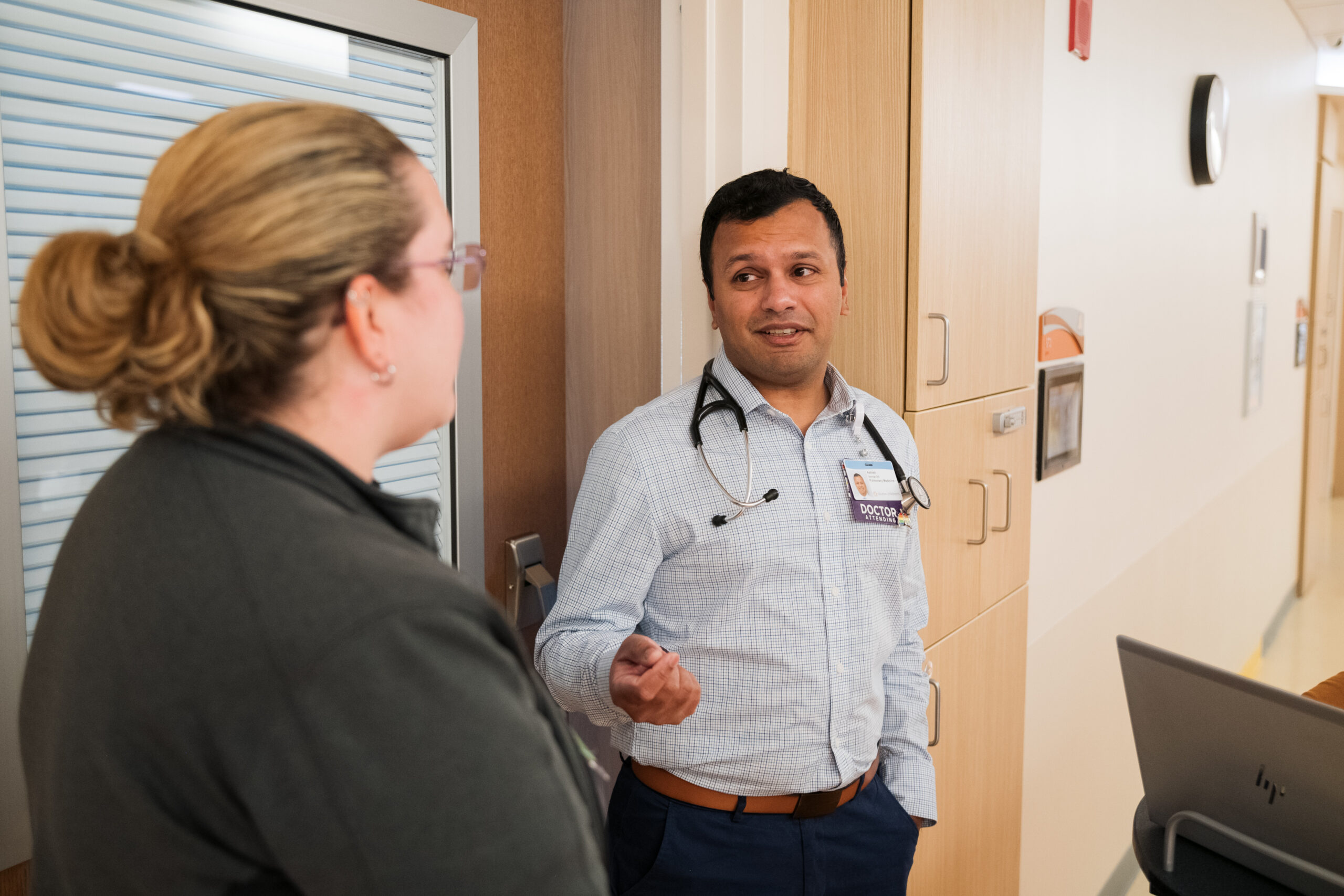
The pediatric pulmonary medicine team at Dayton Children’s provides expert care for children and teens with breathing problems. Our board-certified, fellowship-trained pediatric pulmonologists lead a team of experienced nurses and respiratory therapists to provide the highest quality of care for patients.
conditions we treat
Pediatric pulmonary specialists at Dayton Children’s Hospital provide comprehensive diagnostic testing and care for patients with breathing issues, including:
pulmonary medicine programs and clinics
Asthma rates in Ohio – especially Dayton– are higher than the national average, making specialized pediatric care essential.. Our experts closely follow care guidelines developed by the National Asthma Education and Prevention Program. We personalize each child’s asthma care plan according to their needs, and work with families to help them manage the condition at home.
Children age 5 and older may receive diagnostic testing during clinic visits, including pulmonary function tests and others to confirm diagnosis and monitor treatment effectiveness.
For added support, our BREATHE in-home program offers education, home assessments and supplies to reduce asthma triggers. Our clinic team also offers education for asthma patients and their families during office visits.
inpatient asthma care
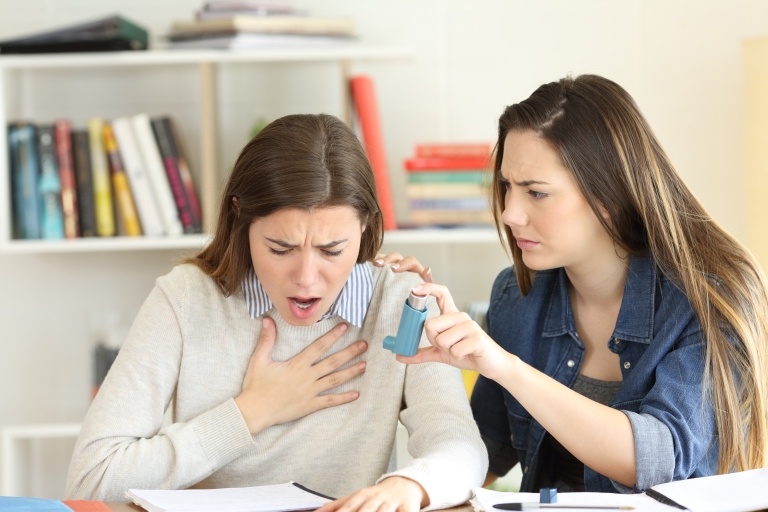
An asthma attack is a scary experience for children and families. At Dayton Children’s, our team of doctors, nurses and respiratory therapists are here to help! We offer an aggressive inpatient program to help children get their symptoms under control quickly and learn how to minimize future asthma attacks.
This comprehensive program usually involves a hospital stay of less than 24 hours. Patients receive:
- High-intensity breathing therapy
- A personalized asthma action plan, including medication changes
- Educational materials to help families manage asthma from home
- A follow-up appointment in our clinic within one to three weeks
Dayton Asthma Alliance
The Dayton Asthma Alliance aims to positively impact the health and wellness of children with asthma in the Dayton area, focusing on the most at-risk populations. Children with asthma are often limited in their ability to live to their fullest potential, have increased absences from school and are more likely to be hospitalized. The Dayton Asthma Alliance engages local, state and national members, as well as other partner organizations, to collaboratively implement a variety of strategic actions to improve outcomes for children with asthma.
Dayton Children’s Cystic Fibrosis Center is accredited by and follows care guidelines from the National Cystic Fibrosis Foundation. Our patients include newly diagnosed infants, adolescents, and even adults who have been living with cystic fibrosis for decades. Learn more about the center and the above and beyond care our experts are providing to patients living with CF.
When we see a patient in pulmonary medicine, we want to look at all the factors that contribute to their successful management of their disorder. Occasionally, we will note that the patient has additional barriers and is at high risk for more frequent hospitalizations. If one of these patients is identified, we will meet with them as part of our high-risk clinic and work with them to overcome obstacles that are getting in the way of their health and overall well-being.
The STAND program, or stop tobacco and nicotine dependency, is designed to help teens stop using tobacco and nicotine and to choose healthy attitudes and behaviors. The program is not designed to address the use of THC or other substances.
The aerodigestive clinic at Dayton Children’s is designed for chronically ill children with disorders of the upper airway, lungs and upper digestive tract, including sleep and feeding problems.
Patients come to our clinic to meet with multiple pediatric specialists, including a pulmonologist, ENT specialist and a gastroenterologist. By evaluating your child’s condition together, the physicians can develop an understanding of their overall health and what kind of therapy is needed. This coordination of care is essential to your child’s wellbeing, since children who come to the center often have complex needs.
The pediatric sleep clinic is one of a few centers in the country accredited by the American Academy of Sleep Medicine. The sleep clinic includes board-certified physicians in sleep medicine, fully credentialed polysomnographic technologists, and has access to a wide range of pediatric subspecialists. Depending on your child’s symptoms and conditions, our physicians might order a sleep study. They will work closely with our sleep experts to determine any issues your child might be having and how it might be affecting their sleep.
pulmonary and metabolic diagnostic testing
Dayton Children’s offers a full array of pulmonary and metabolic tests to help diagnose and evaluate breathing and metabolic disorders.
Our respiratory therapists, who are certified pulmonary function technicians, provide comprehensive pulmonary and metabolic testing in our pulmonary diagnostics lab.
Pulmonary breathing tests are used when a child has a cough or trouble breathing during the night or after waking, complains of shortness of breath, wheezing or chest pain without activity or during exercise or sports. The tests are for children older than 5 years, since it requires the child to be cooperative and able to follow detailed instructions. All tests are painless. The physician may order one or several of the tests at the same time.
The metabolic tests are done for children with weight issues or experiencing abdominal problems. The tests can be done at any age. All tests are painless.
The lab needs a physician order for all pulmonary diagnostic lab tests. There will be specific preparation instructions for each type of test, which is given at the time of scheduling.
tests available
A bronchodilator, such as Albuterol may be ordered to be administered pre and post specific tests to assess improvement of lung function.
This test measures obstruction of flow in the lungs. A handheld device called a spirometer measures how much air your child can breathe into the lungs and how much air and how quickly the air is blown out of the lungs. To learn more about spirometry, read this article.
This test is used to determine if there is restriction to breathing in and out. It finds out how much air is in the lungs after breathing in deep and how much air is left in the lungs after breathing out as much air as possible. It can be measured two ways:
- Body Plethysmography: This is done while sitting in a see-through sealed box. Using a mouthpiece, your child will breathe in and out. Changes in pressure occur inside the box to determine the lung volumes and airway resistance. You can’t feel the pressure change.
- Nitrogen Washout: This measures how long it takes to exhale the Nitrogen out of the lungs. 100 percent oxygen is breathed through a mouthpiece for a specific amount of time. In a healthy person, this would take around seven minutes, but a person suffering from a lung disease may need much longer.
The concentration of carbon monoxide in the air your child breathes out is measured to compare to the amount inhaled. The difference in the amounts allows assessment of how well the oxygen you breathe in moves from your lungs into your blood. During the test, your child will use a mouthpiece to gently breathe out all the air and then breathe in quick and deep, holding the breath for 10 seconds, and then blow out quickly.
This test measures the resistance to air moving in and out of the lungs during quiet, regular breathing. It also can measure the severity of limitation of air flowing out of the lungs, which is a key indicator of lung obstruction. Since this test does not take the effort to perform as spirometry or lung volumes does, it can be performed on children 2-5 years old or children with significant breathing difficulty.
Nitric oxide (NO) is released from the lung tissue when there is allergic airway inflammation (redness, swelling in the lining of your breathing tubes)… Measuring the amount of Nitric Oxide exhaled out of the lungs will provide information to determine the appropriate treatment. During the test, your child will breathe out steadily into a mouthpiece connected to a portable device.
pulmonary challenge testing
This test gives the doctor information about how your child’s lungs react to exercise. The test will involve a spirometry test, before and after running on a treadmill. Spirometry will be performed every 5 minutes up to 30 minutes or if your child’s lungs react to the exercise. Your child will then be given a breathing treatment and asked to do the spirometry test.
This test may be used if previous tests do not give a definitive diagnosis of asthma. Methacholine, an agent that can cause the airways to spasm and narrow if asthma is present. During this test your child will perform a spirometry test for baseline results and again after each dose of inhaled Methacholine. There are up to 5 increasing doses and the test will continue until the test indicates a response. A bronchodilator medication will be given to reverse the positive response.
muscle strength tests
These tests are used to determine the amount of respiratory muscle weakness causing breathing to be restrictive or limited.
- MEP (maximum expiratory pressure) is the maximal pressure measured when your child breathes out forcefully against a blocked mouthpiece after a full breath in.
- MIP (maximum inspiratory pressure) is the maximal pressure that can be produced when you child tries to breathe in forcefully against a blocked mouthpiece.
- MVV (minute volunteer ventilation) is the total volume of air your child can breathe in and out deep and fast for 10 seconds.
breath tests
This test measures hydrogen and methane gases from breath samples after ingesting lactose or other bad sugars such as fructose or sucrose to determine intolerance, or after ingesting lactulose or glucose to diagnose bacterial overgrowth of the small bowel or transit time through the small intestine. HBT can be performed at any age for a child having abdominal pain, cramping, bloating, gas, diarrhea or constipation. A breath sample is collected by blowing into a balloon-type bag (a face mask is used for a small child) and then inserted into an analyzer to measure the amount of hydrogen and methane gas. Next, the patient will drink a small amount of solution of lactulose, glucose, lactose, sucrose or fructose. Then, exhaled breaths will be collected and analyzed over a period of time.
This test determines if there is a H-pylori infection in the stomach by measuring an enzyme called urease produced by the h-pylori organism. Your child will breathe air into one small bag, and then ingest a urea tablet before breathing into a second bag. Both breath samples are sent to a laboratory for analysis to determine if there is an increase in the level of carbon dioxide. The results are faxed to your child’s physician within 48-72 hours.
This test is a measurement of resting metabolic rate used to determine adequate nutrition, evaluate large fluctuations in weight loss or gain, establish goals and safety limits during weight programs and determine caloric needs during chronic or acute illnesses. Your child will be required to lay on his or back quietly for 30 minutes to rest. A face tent will be placed over the nose and mouth to collect breath samples for 20 minutes. It will be important to lay quiet and still for the duration of the test, but not fall asleep.
other tests
This test is to determine if your child with a chronic lung condition needs supplemental oxygen when flying on an airplane or going to a higher altitude. The air we breathe at sea level contains 21 percent oxygen, but when flying, or at elevations of 8,000 feet above sea level, the air now has about 15-16 percent oxygen (compared to sea level). A mixture of nitrogen and oxygen is delivered by a mask to simulate the available oxygen at high altitudes. During this time, vital signs are closely monitored, as is the oxygen saturation. If the saturation drops, supplemental oxygen is titrated to keep the saturation in a predetermined range.
This test is to determine if your child needs oxygen while feeding or in a car seat or during exercise. A small sensor probe is placed on the foot (for infants) or finger. It is attached to a machine by a cord that measures the percentage of the blood that is loaded with oxygen.
news and blogs
Stay up-to-date with the latest insights from Dayton Children’s Hospital. We’re always working to share helpful, real-world content for families navigating pediatric pulmonary medicine.



patient stories
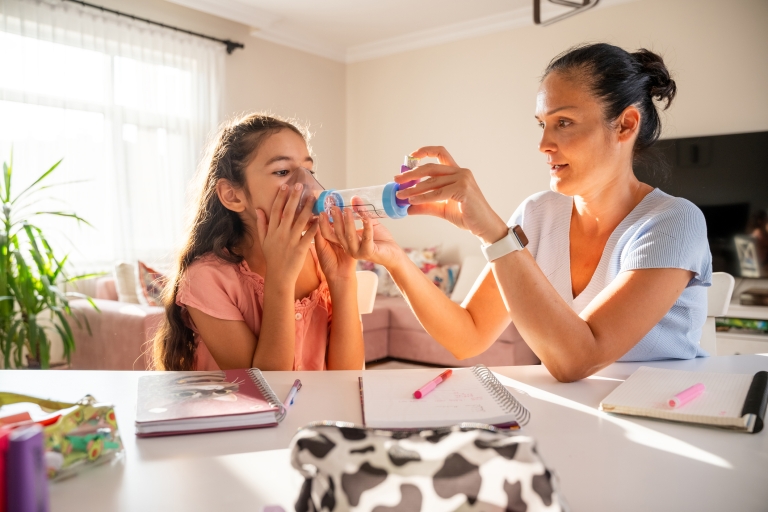
Real families, real results. Whether it’s a child breathing easier after an asthma diagnosis or a teen managing their cystic fibrosis with confidence, our patients and families inspire us every day. These stories offer hope, guidance and reassurance that we are here for your child every step of the way. Explore how Dayton Children’s pediatric pulmonary medicine has gone above and beyond for kids just like yours.

for your visit
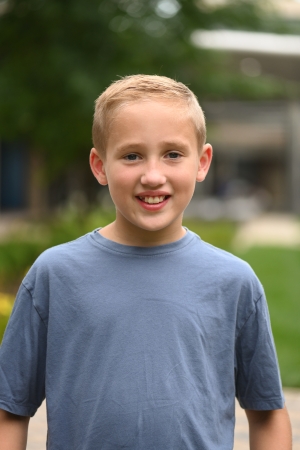
At Dayton Children’s, we know that if your child has a breathing disorder that you want to receive the best care for them right when you need it. Our expert team provides comprehensive and coordinated care from diagnostic tests to our outpatient clinic and inpatient visits.
When you visit the pulmonary clinic at Dayton Children’s you will experience a comprehensive and consistent approach to your child’s care.
- Any actual films or recent X-rays
- Child’s medication bottles
- Test results, hospital records or clinic notes
- Toys, books or other activities for you and your child to do
The first appointment can vary in length, but please allow three to four hours. The length of time depends on what information and the testing needed. Your child may do pulmonary testing, lab tests or a chest X-ray at the first visit. Other tests may be scheduled at a later date.
- A physical exam
- Medical history
- A pulmonary function test (for children ages 5 and up) and, if needed, additional tests.
- Equipment checks (specifically for children with cystic fibrosis and those with a tracheostomy)
- A conversation about any test results, prescription refills and home care needs
- A consultation with our social worker or registered dietitian
- Education about managing your child’s condition at home
- Referrals for treatment or diagnostic tests
Prior to each appointment, we ask that parents or caregivers write down any current and new medications that their child is taking, as well as questions or concerns they may have.
Before coming to Dayton Children’s, we invite you to learn more about diagnosing pulmonary disorders.
Get checklists, resources, and helpful tips for before, during, and after your visit to Dayton Children’s—so you know exactly what to expect.
resources – pulmonary medicine
patient resources
local educational classes
Knowledgeable respiratory care professionals at Dayton Children’s provide helpful, one-on-one training on a variety of topics by appointment. Please call 937-641-3376 for more information.
- STAND, a tobacco cessation program for teens. We can also recommend tobacco cessation programs for adults.
- Asthma management for patients and families
- Cystic fibrosis management for patients and families
- Asthma management for school personnel
- Home care instruction to help caregivers administer aerosol and metered dose inhaler/spacer therapy; perform peak flow monitoring; learn airway clearance technique; and much more. Training on how to operate ventilation equipment (IPPB/BiPAP/CPAP) is scheduled separately.
other resources
National organizations provide extensive educational materials for patients and families dealing with breathing issues. Our specialists encourage families to find support through the following websites and organizations.
hours & locations – pulmonary medicine
Our team is here to support your child’s health at multiple convenient locations.
concerned about your child’s breathing?
Whether your child has asthma, a chronic cough, or a more complex lung condition, our pediatric pulmonary team is here to help. We offer specialized testing, ongoing care, and compassionate support to help your child breathe easier—and live more fully. Schedule an appointment online or call 937-641-4000.