On Our Sleeves
the movement for children’s mental health

because kids don’t wear their thoughts on their sleeves
On Our Sleeves at Dayton Children’s is a program of the Kids Mental Health Foundation, which is leading the movement for children’s mental health — building a world where mental health is a vital part of every child’s upbringing. On Our Sleeves’ mission is to provide free expert-created resources to all U.S. communities so everyone can understand and promote childhood mental health.
Dayton Children’s and the Kids Mental Health Foundation are committed to making children’s mental health resources accessible to every family in our community. Through our partnership, we’re bringing trusted mental health resources for children directly to families and educators in our Dayton community.
Together, through our email community, blogs, and community partnerships, we’re breaking down barriers and creating accessible pathways to support children’s mental health.
who is On Our Sleeves for?
Whether you are a parent, grandparent, educator or just someone who cares about kids, you can benefit from all that On Our Sleeves has to offer. This program exists to equip adults who are involved with kids with the tools they need to:
- Promote positive relationships
- Foster social support
- Create safe and supportive environments
Join the movement today by signing up for our email list to receive monthly content about supporting children’s mental health. If you are an educator, you can join Classroom Champions to receive content created just for you!
resources and guides
Ready to access all that On Our Sleeves has to offer? Check out the links below to view our latest blogs and guides. Be sure to also follow Dayton Children’s on social media for weekly content and look for #OnOurSleevesinAction to see how others are utilizing the resources.
our impact on community mental health
View our On Our Sleeves impact report below to see the results of our efforts to provide free resources to thousands of families.
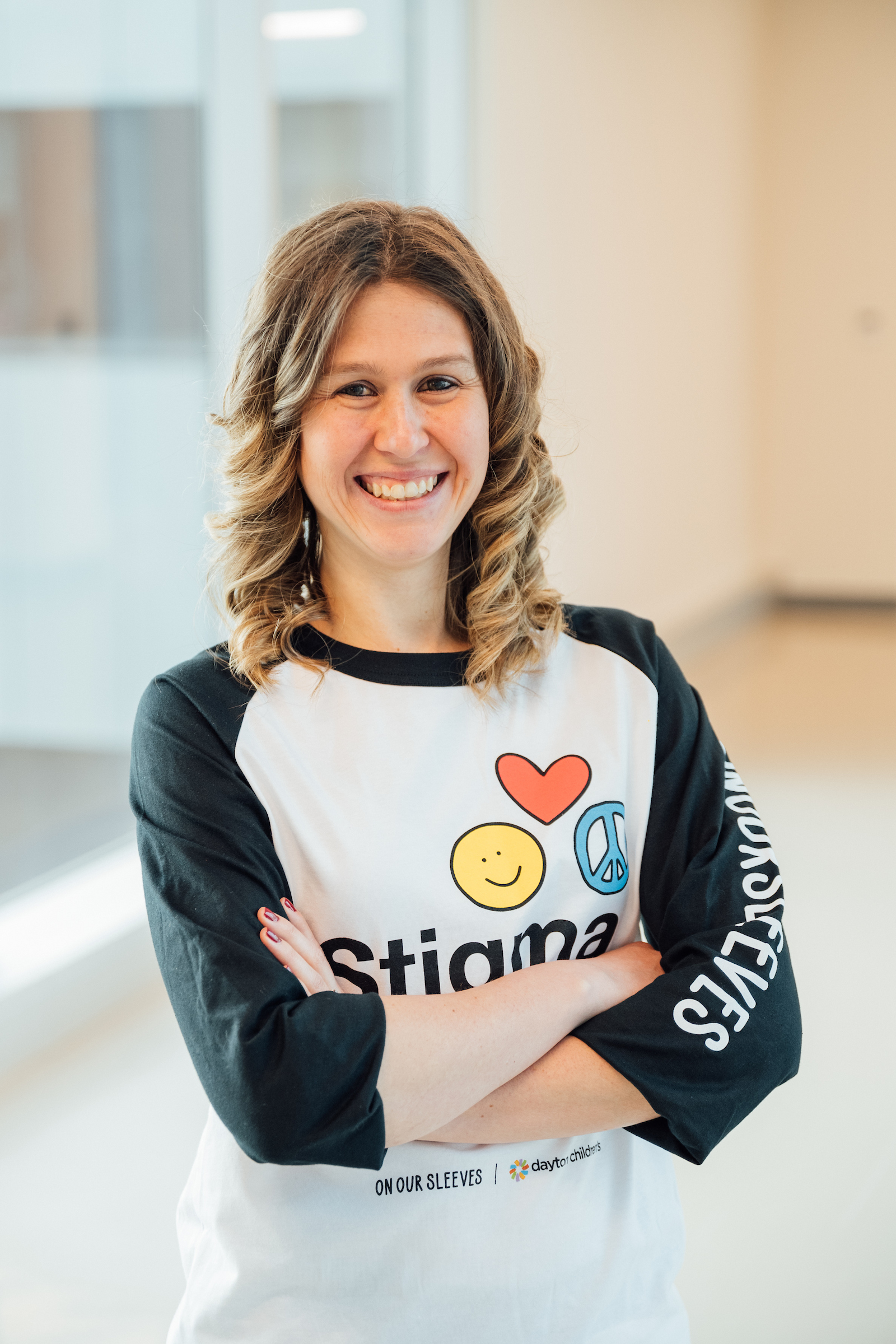
meet Emily – your On Our Sleeves Champion
As a licensed social worker with more than nine years’ experience working with children and families, Emily Weitz, LSW was already excited about the On Our Sleeves program when she first heard about it. Now, she leads the On Our Sleeves program as a content-expert, community outreach coordinator and overall champion for children’s mental wellness.
Through the On Our Sleeves campaign at Dayton Children’s Hospital, Emily is working to provide free mental wellness educational resources to families in the Dayton region.
Emily’s goal is to give caregivers the tools to feel empowered to help their children overcome basic life struggles.
To connect with Emily or request an On Our Sleeves speaker email onoursleeves@childrensdayton.org
thank you to our donors
The On Our Sleeves program at Dayton Children’s is generously funded by AES Ohio and many other community donors. This funding allows us to provide engaging mental health resources to families and educators free of charge.

join the movement
mental health resources for students and classrooms
Join the Classroom Champions community to receive free monthly resources to use in the classroom and other education settings.
become a classroom champion
news & blog
filter by category
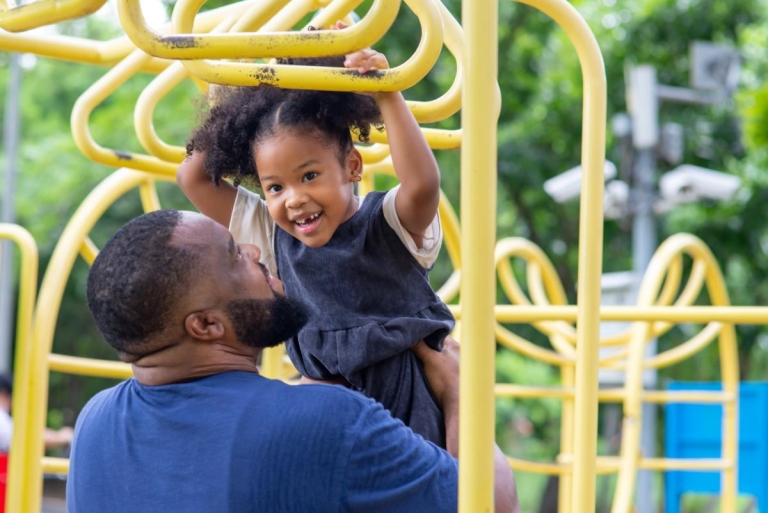
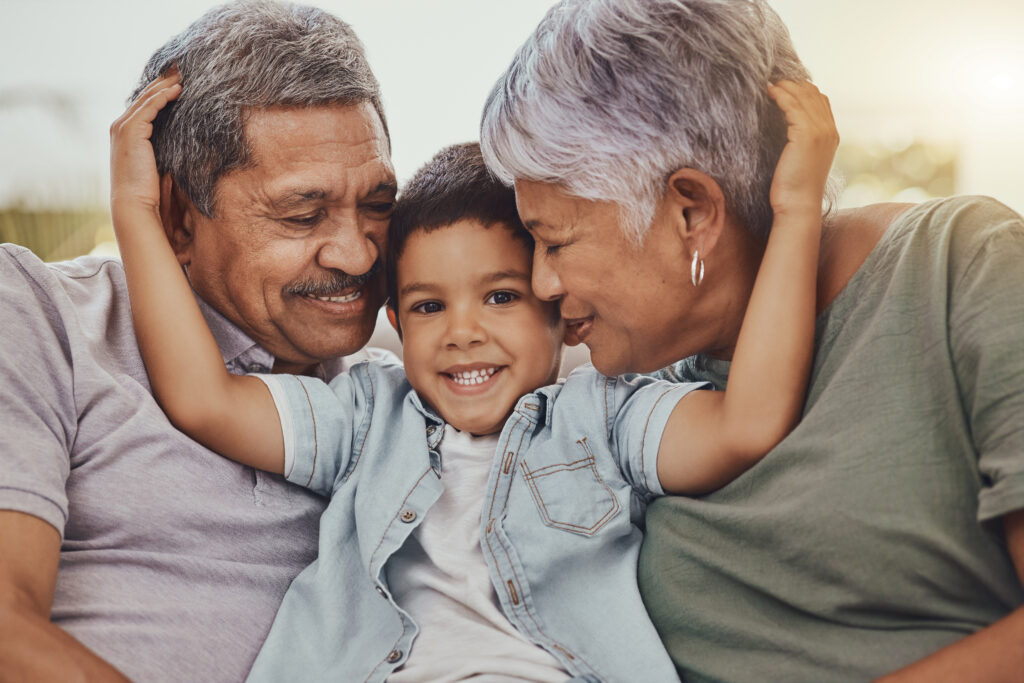

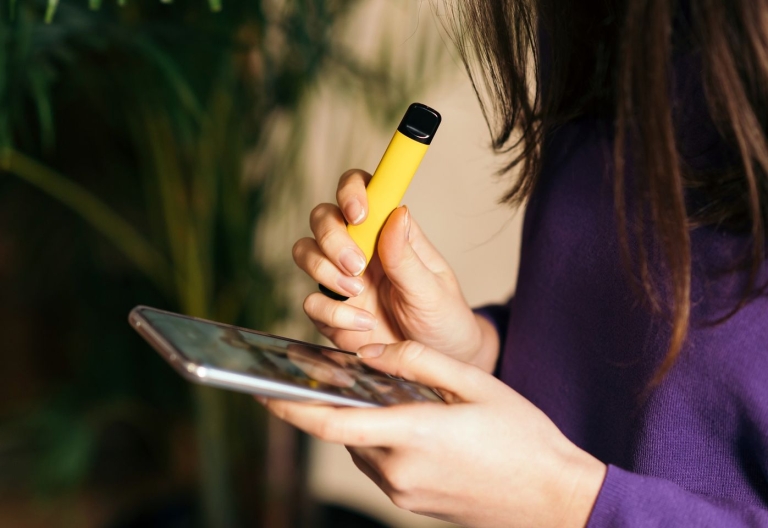
activities, worksheets & more for families and educators
Find activities and worksheets for topics you’re most interested in for your family and choose an activity or worksheet to explore with your child. Scroll to the bottom to find resources for educators and classrooms. Have guides and more delivered to your inbox each month when you join the movement for children’s mental health.
activities & worksheets for families
- My Anxiety Game Plan
- My Anxiety Worksheet (descargar en español aquí)
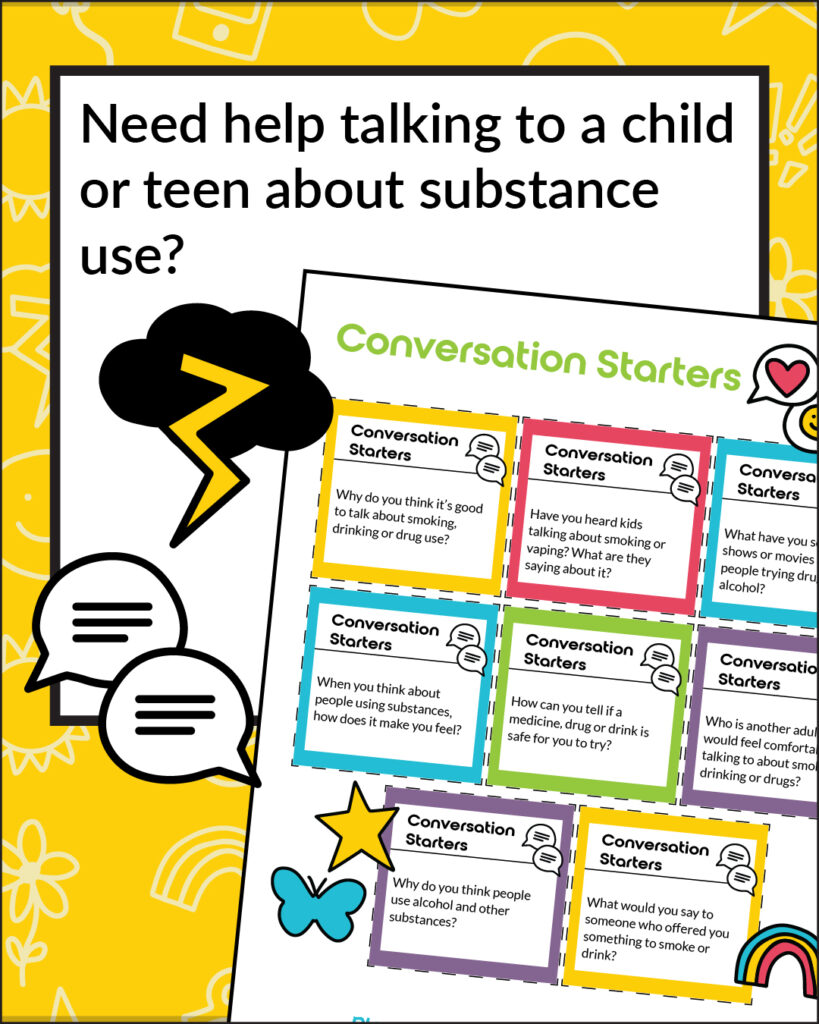
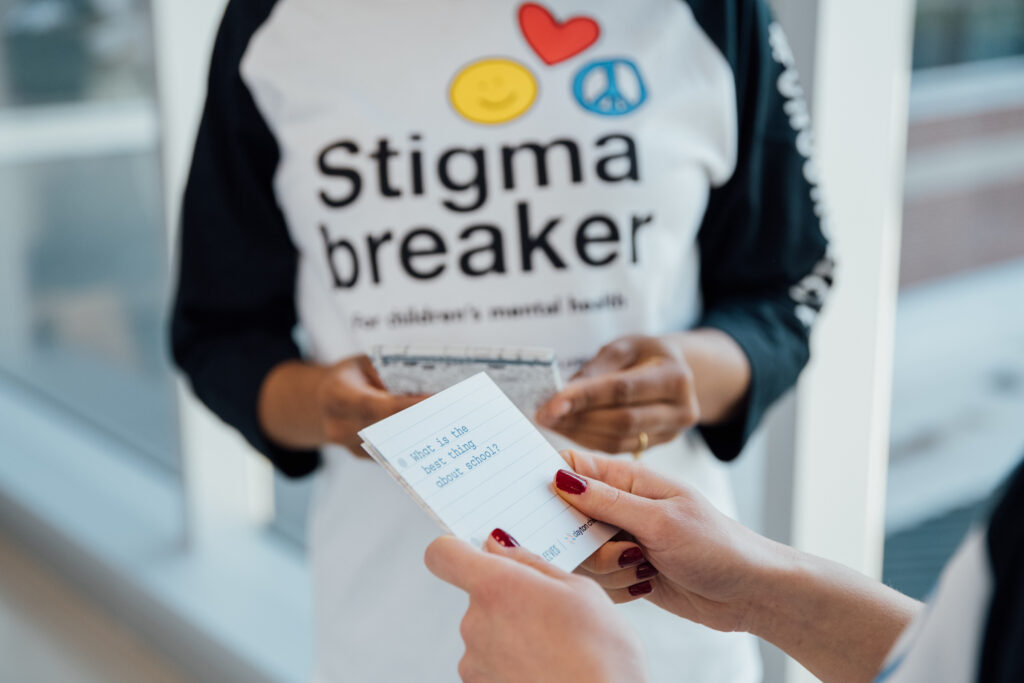
- Conversation Starters
- Gaming Conversation Starters (descargar en español aqui)
- Origami Conversation Catchers
- School Safety Conversation Starters (descargar en español aqui)
- Conversation Starters for Grandparents
- 12-Day Compassion Challenge
- Boredom Busters
- Holiday Break Game (descargar en español aqui)
- Idea Starters for Bored Kids (descargar en español aqui)
- March Madness Bracket Challenge
- Mental Health Fitness Challenge
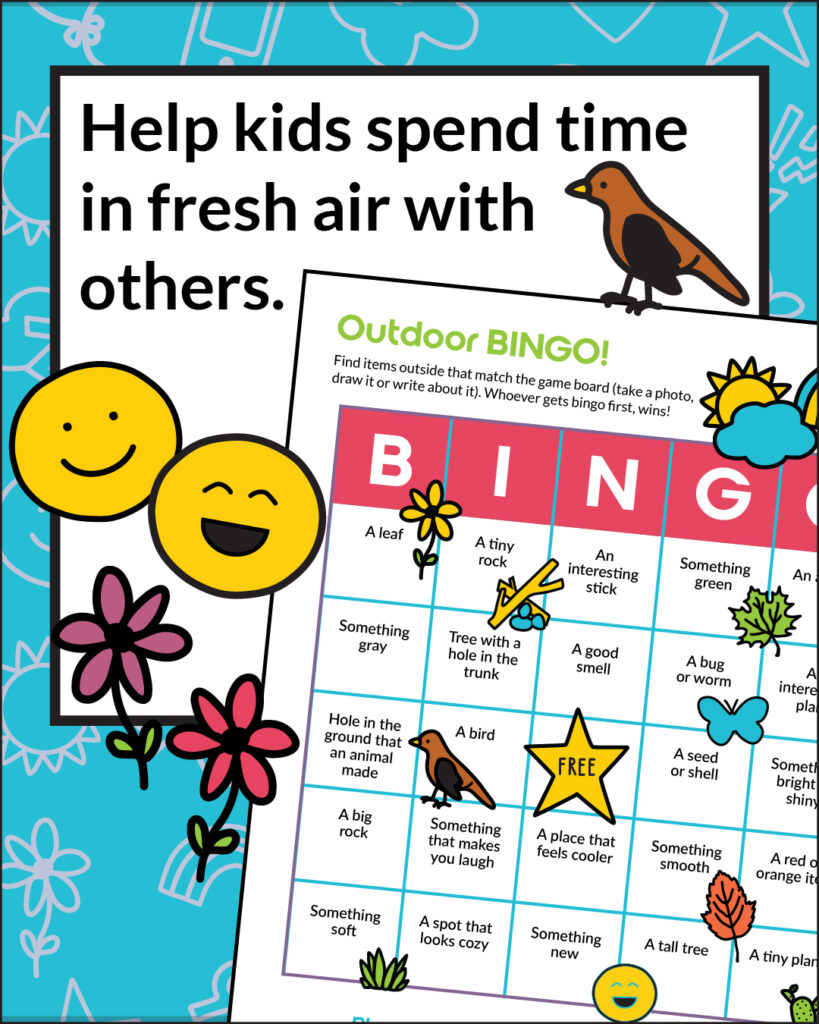
- Outdoor Bingo (descargar en español aqui)
- Summer Connection Calendar
- My Goals Guide
- Goals Setting Guide 2025 (descargar en español aqui)
- Dealing with Grief and Loss Guide
- Memory Maker Worksheet (descargar en español aqui)
- I am Awesome Kindness Journal
- Kindness Cards
- Kindness Cards (printer friendly version)
- Rewarding Positive Behavior tip sheet (descargar en español here)
- Family Social Media Plan Template (descargar en español here)
- Pressure Coping Plan (descargar en español here)
- Stress Buster Bingo
- Stress Conversation Starters (descargar en español here)
- Test-Taking Strategies Tip-Sheet (descargar en español here)
- Pressure Conversation Starters (descargar en español here)
- The Parent Playbook
resources for educators
Download free On Our Sleeves classroom activities, guides and other resources from our experts to boost the mental wellness of kids in all grade levels.
- Anxiety Learning Guide
- Assertive Communication in the Classroom Guide
- Champion for Children Award
- Compassion Challenge Classroom Guide
- Compliments Educator Guide
- Compliments from the Heart Worksheet
- Connection Building Activities
- Conversation Starters for Test Stress
- Creating an Encouraging Classroom Guide
- Educator Tips: Self-Care
- Emotional Empowerment Deep Breathing Exercises
- Emotional Empowerment Mood Meter
- Emotional Empowerment Writing Prompts
- Emotion Conversation Cards — Middle and High School
- Emotion Conversation Cards — Pre-school and Elementary
- Everyone Makes Mistakes Lesson Plan
- Exploring Friendships Word Search
- Friendship Learning Guide
- Friendship Learning Guide pt. 2
- Mindful Moments for Older Students
- Mindful Moments for Younger Students
- Peer Pressure Classroom Guide
- Reboot Your Classroom Guide
- Self-Care Wheel
- Thankful Tree Activity
- Thought Challenging Worksheet
- Wellness in the Classroom Guide
resources
Use the resources below to connect with additional mental health support at Dayton Children’s and throughout the community.
mental health crisis helplines
If you or your child need immediate help due to having suicidal thoughts, call the National Suicide Prevention Lifeline at 988 or text the Crisis Text Line by texting “START” to 741-741. If there is an immediate safety concern, call 911 or go to the nearest emergency room.
mental health training
Feeling lost about how to help kids with their mental health? Dayton Children’s has two free trainings to help you get started. These trainings are:
- Mental health first aid – full day class taught by an instructor
- QPR gatekeeper training – 1 hr self-paced online course
Kids Mental Health Foundation
Additional national resources for mental health services are available from the Kids Mental Health Foundation.
local resources
Dayton Children’s mental health services
Many kids face mental health challenges, such as anxiety, depression or behavioral issues. With early support and the right care, they can learn to manage symptoms and lead fulfilling lives. By partnering with the community and area organizations, Dayton Children’s is making sure children get the support they need to address the mental health needs of children and their families – from prevention and diagnosis to outpatient therapy and inpatient treatment.
mental health resource connection
The Mental Health Resource Connection program connects patients and families to available mental health services in the community – striving to improve the mental health and wellness of children within our reach. This service is administered by social workers experienced in evaluating pediatric mental health needs and the services required to meet those needs.
If you are interested in a referral to the Mental Health Resource Connection please talk to your child’s primary care provider or by filling out our form to get connected to care. You also can use our mental health resource finder to search for resources in your community.
community resource hub
If you need more help, the Community Resource Hub connects you to community services and resources to help your family reach optimal health.
donate to On Our Sleeves
When a child’s mental health needs go unmet, the effects can last a lifetime—impacting their school, home, and personal lives. With your partnership, we can address concerns early, before they become a crisis.
Your generous gift to the On Our Sleeves movement at Dayton Children’s helps us provide essential mental health education programs for both adults and kids. Community support makes it possible to keep providing educational resources, training for schools and individuals, and breaking the stigma around pediatric mental health.


share your story
We love to hear how you are using your On Our Sleeves resources! Send us an email or message us on social media to share photos and stories of the impact of On Our Sleeves.
partnerships
Breaking the stigma in the Dayton and Miami Valley community can only happen with the support of our partners. From donors to community organizations, On Our Sleeves has been able to reach more than 12,000 people since 2021 with the message of caring for children’s mental health. To learn more about being a community partner with On Our Sleeves, email onoursleeves@childrensdayton.org.
donors
We thank our donors for their generosity and for ensuring that On Our Sleeves resources can remain free. With all the donations since 2021 we have been able to promote the movement for children’s mental health and wellness.
- AES Ohio Foundation
- Community Health Foundation
- Huffy
- Montgomery County Alcohol, Drug Addiction & Mental Health Services
- Panera Bread
- PNC
community partners
Our community partners help us spread the word and put mental health resources into the hands of kids and families across the Miami Valley.
- Big Brothers Big Sisters Miami Valley
- Boys and Girls Club of Dayton
- Crayons to Classrooms
- Clark County Family and Children First Council
- Dayton Dragons
- Dayton Metro Library
- Dayton Public Schools
- Five Rivers Metro Parks
- Girls on the run
- National Conference for Community & Justice Greater Dayton
- Noon Optimist Club of Centerville
- Reza’s Coffee Roasterie
- The Salvation Army Kroc Center – Dayton
- University of Dayton
- Washington Centerville Public Library
- Wright State University
connect with On Our Sleeves
There are many ways to get involved with On Our Sleeves. Make an impact by joining the movement, requesting a speaker or making a donation. For additional ways to get involved, contact us.