changes at home can be tough—use these tips to help
in this article:
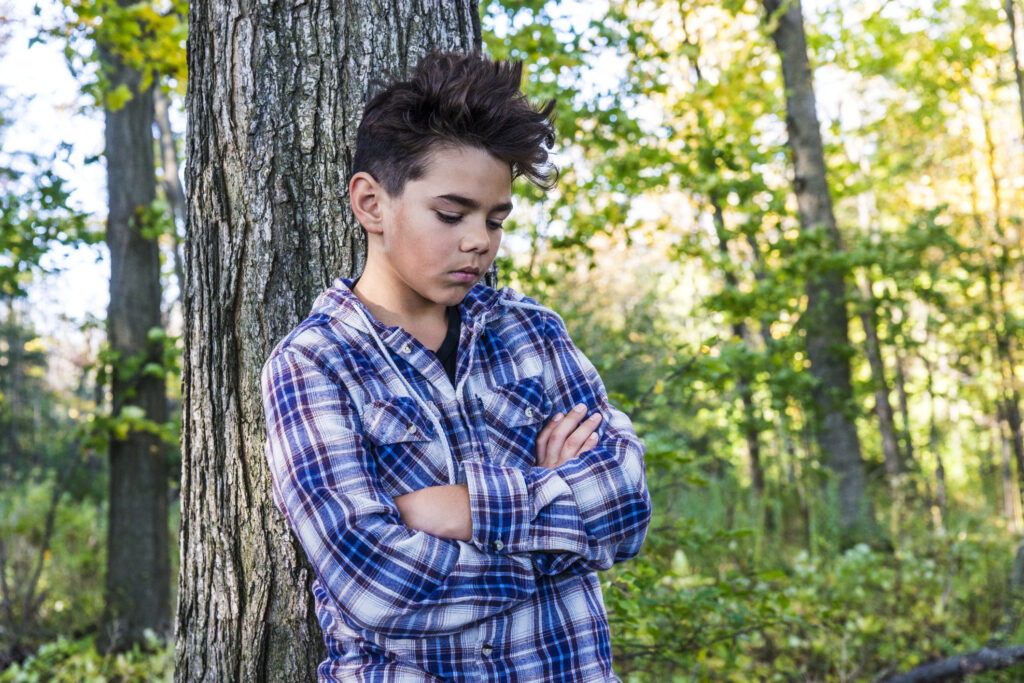
Change is a part of life, and it can be hard for kids to handle on their own.
“Children feel safest when they have routine, structure, and familiar habits, so knowing what to say when your child is going through change can help them feel more secure,”
shares Emily Weitz, BSW, LSW, a mental health expert with On Our Sleeves.
Teaching kids to handle changes with confidence helps them build resilience. Because children will face many challenges as they grow, guiding them early gives them the skills they need to manage life’s changes.
The experts at On Our Sleeves share simple ways to help children navigate changes they may face at home and tips for helping them feel supported and confident as they adjust.
common changes at home and how they affect kids
Children go through many changes as they grow, like moving to a new grade, experiencing different seasons, or simply getting older. But when changes affect the whole family, it can be harder for kids to adjust.
A child’s home is their safe place- a spot where they can feel cozy, comfortable and heard after a long day! When things change at home, it helps to understand what your child might be feeling so you can support them.
- Divorce or separation often changes the family routine. Kids might need to live in two different homes.
- They may feel unsure or worry about what their friends think. Some children might feel angry, sad, confused, or even blame themselves for what is happening.
- A new baby or child, whether through birth, adoption, or foster care, can bring big changes. Kids might feel jealous or unsure about the attention the new child gets and may get less one-on-one time with parents.
- Daily routines can change too, like nap times or bedtimes. Kids might need to be quieter around the house or help keep small toys out of the new child’s reach. It’s normal for kids to feel uncertain while adjusting to these changes.
- Moving, whether near or far, can be stressful for the whole family. Their “safe space” is different now, and the support system of family and friends may change.
- Kids may need to let go of things they care about. They might worry about making new friends and adjusting to new routines.
- A child might feel excited about these changes, like having a new sibling or living with two parents in one home. But they may also feel guilty, worrying that being nice to a stepparent means they are betraying their other parent.
- Kids might feel unsure about how to respond to a stepparent’s rules or how to get along with new stepsiblings.
All of these feelings are normal, and it can take time to work through them. Whether the changes were planned or a surprise, parents and caregivers can help children handle these emotions.
4 tips for helping kids adjust to changes at home
Whenever you can, help your child prepare for changes before they happen. But sometimes that’s not possible. Here are four ways you can support kids when changes happen:
1. Be honest but keep the drama out:
Share the truth in an age-appropriate way.
- For example, if the change is due to a divorce or separation, keep the drama and adult details to yourself. Reassure your child that it is not their fault and that your love for them will never change.
- If the change is because of money issues, like moving to a more affordable home, explain that you are trying to improve the family’s situation. Avoid too many details which can make kids feel responsible.
2. Talk about what will stay the same:
Focusing on things that don’t change can help children feel safe when so many things are changing. Some examples of things that will not change that you can share with them include:
- Your love for them
- Special items they can bring from their room or between homes
- Special traditions or routines you do together
3. Be patient:
Whether a change was planned or came as a surprise, give your child time to adjust. Let them know you are there to listen and encourage them to share their feelings.
4. Watch for signs they need extra support:
Change can be hard for everyone, but sometimes kids show signs that they need extra support. Watch for these common signs:
- Being more moody or irritable than usual
- Changes in sleep, like sleeping too much or having trouble falling asleep
- Changes in appetite
- Withdrawing from activities or avoiding friends


helpful hint: If you notice any of these changes, take time to listen to your child’s thoughts and feelings. Encourage them to talk openly about what’s on their mind. For more guidance on starting these conversations, check out our blog about how to start the conversation (and keep it going).
starting the conversation about changes
Talking with your child about changes is a great way to stay connected and help them feel supported. Here are some tips for having these conversations:
- Start with open-ended questions:
- “How can I help you right now?”
- “What are you feeling?”
- Let them share all their emotions: Encourage your child to express their feelings, even if they are negative. It’s normal to have mixed emotions about changes.
- Talk about ways to cope with the change:
- Find a stuffed animal or blanket that can go back and forth between homes.
- Set aside a monthly time for a special one-on-one activity, like painting nails, playing a card game, or watching a favorite show.
- Give them a photo of their old home, a parent, or family picture they can look at when they start missing the old ways.
- Make a game out of finding the positives in the change, like exploring a new room or meeting new friends.
Change is not easy, but with some preparation, empathy, and honesty you can help your child handle changes with confidence.
more resources from On Our Sleeves
learn more about On Our Sleeves to get even more children’s mental health resources
You can sign up for our monthly newsletter and get free expert tips, easy to use mental health tools, and early access to giveaways like our Activity Book and Conversation Starter Cards.
Click the orange button below to sign up today!