pediatric obstructive sleep apnea


about obstructive sleep apnea
Obstructive sleep apnea is a sleep-related breathing disorder in which a child’s airway becomes partially or fully blocked during sleep. These blockages cause brief pauses in breathing that can happen multiple times a night and disrupt healthy sleep.
In children, OSA is often caused by enlarged tonsils or adenoids, but can also be related to obesity, nasal obstructions or other medical conditions. Left untreated, it may lead to poor growth, behavior issues and even heart-related concerns.
obstructive sleep apnea symptoms
Pediatric obstructive sleep apnea (OSA) symptoms are often noticed during sleep but can also affect a child’s behavior and focus during the day. If your child snores frequently or struggles with sleep, a sleep evaluation may be needed.
- Loud snoring or noisy breathing
- Gasping or pauses in breathing
- Restless sleep or frequent awakenings
- Daytime sleepiness or hyperactivity
- Difficulty concentrating or behavior changes
diagnosis
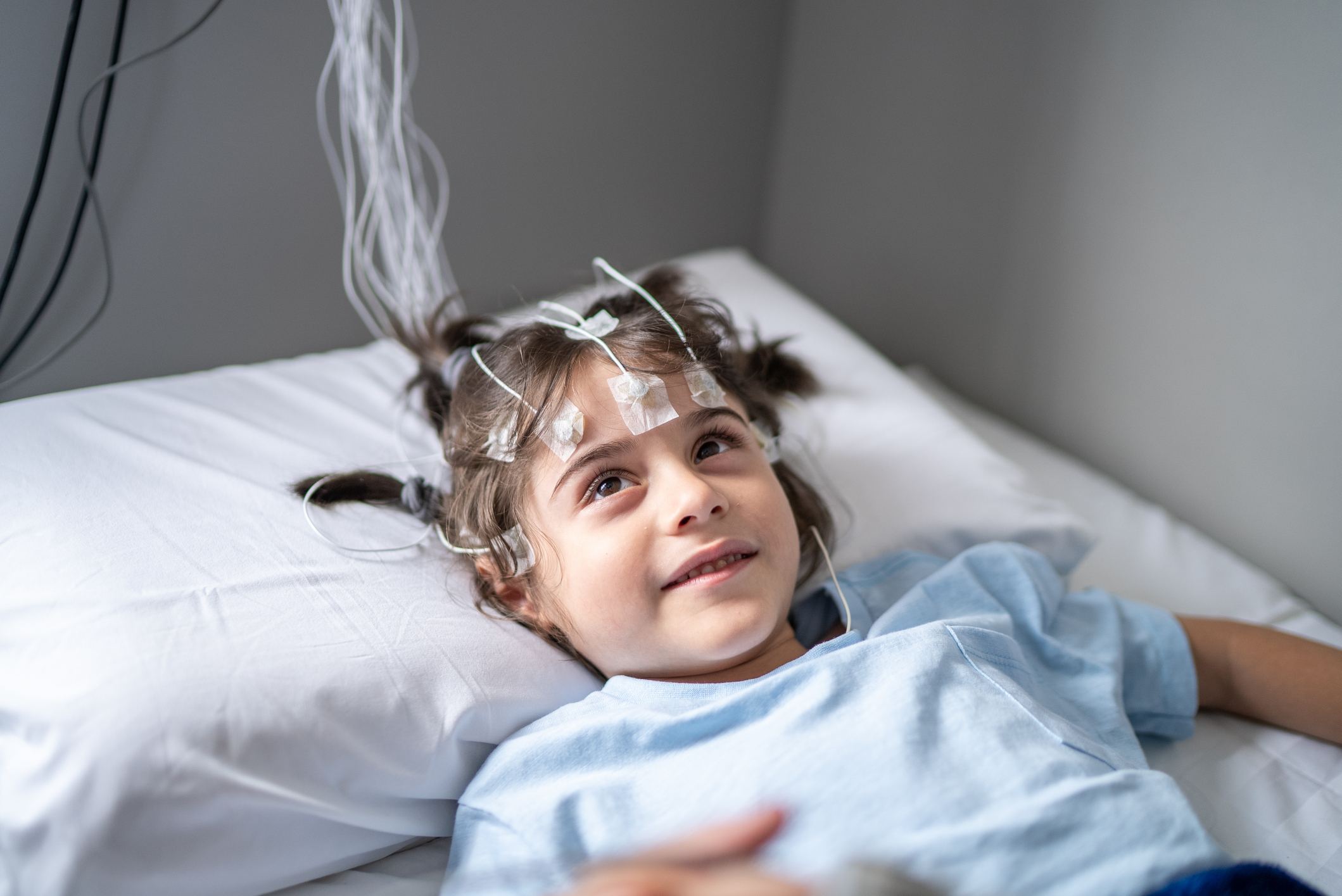
Diagnosis typically includes a physical exam and detailed sleep history. If obstructive sleep apnea is suspected, your child may be referred for an overnight sleep study at Dayton Children’s.
The diagnosis process may include:
- Physical exam and symptom review
- Referral to sleep study (polysomnography)
- Breathing and oxygen monitoring during sleep
- Multispecialty review by ENT, sleep medicine or pulmonology

obstructive sleep apnea treatment
Depending on your child’s specific needs, treatment may involve specialists in ENT, pulmonology or sleep medicine. Each plan is tailored to your child’s symptoms and underlying conditions. Surgery to remove enlarged tonsils or adenoids is often recommended when airway obstruction is the primary cause. In other cases, sleep medicine providers may recommend CPAP therapy, while pulmonologists can help manage respiratory related concerns.
Treatment plan may include:
- Tonsil and adenoid removal (ENT)
- CPAP to support nighttime breathing (Sleep Medicine)
- Allergy or asthma management (Pulmonology)
- Weight loss and healthy habits
- Monitoring in mild cases
sleep apnea FAQs
These common questions can help families understand obstructive sleep apnea and what to expect during treatment.
In many children, OSA can be significantly improved or even resolved, especially when it’s caused by enlarged tonsils or adenoids. Surgery often leads to lasting relief. Ongoing monitoring is important to ensure symptoms do not return.
Yes. Untreated OSA can lead to problems like poor growth, learning difficulties and heart strain. Early diagnosis and treatment are key to preventing long-term effects.
In severe cases, it may qualify as a disability, especially if it significantly affects a child’s daily functioning or ability to participate in school and activities. Each case is evaluated individually.
Read more about when to be concerned about sleep apnea
OSA affects about 1 to 5% of children. It is more common in kids with enlarged tonsils, obesity or certain medical conditions. If your child shows symptoms, talk to your provider about a possible evaluation.
While occasional snoring can be normal, OSA involves repeated airway blockage that affects breathing and sleep quality. If your child snores loudly and frequently, especially with pauses in breathing, a sleep study may be needed.

our sleep apnea providers
Whether you’re seen by an ENT, sleep and pulmonary specialists, our specialists work together to diagnose and care for children with obstructive sleep apnea. – ensuring each child receives the right treatment at the right time.


get sleep apnea treatment
We’re here to help you find answers. Our pediatric care team works together to evaluate and treat sleep apnea in children. Schedule online or call 937-641-4000.